In today’s rapidly evolving renewable energy market, facade solar panels have emerged as a critical solution for modern architecture and commercial building projects. Unlike traditional rooftop solar panels, facade panels integrate directly into the vertical surfaces of buildings, providing both aesthetic appeal and functional energy generation. For distributors aiming to enter or expand in this sector, bulk purchasing is not just a cost-saving strategy but also a key factor in securing long-term business success. This comprehensive guide explores everything distributors need to know about buying facade solar panels in bulk.
Understanding Facade Solar Panels
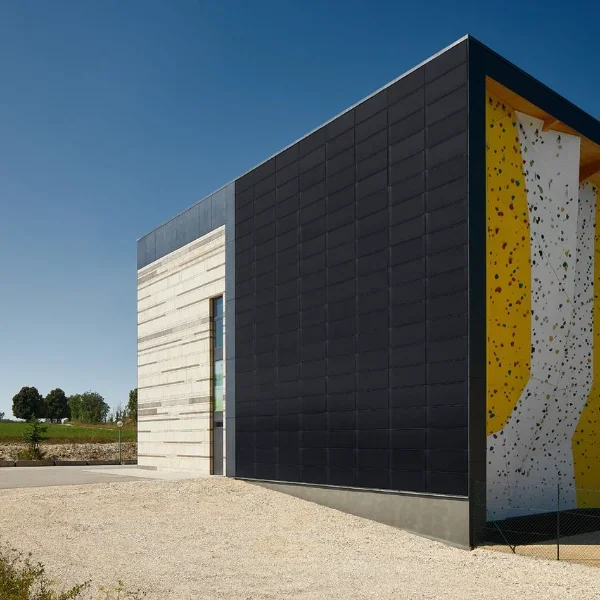
Facade solar panels, also known as building-integrated photovoltaics (BIPV), are designed to replace or complement traditional building materials, such as glass or metal cladding. They generate electricity while serving as an architectural element. Key features of facade solar panels include:
-
Aesthetic integration: Panels are available in different colors, textures, and transparency levels, allowing architects and developers to match building designs.
-
Energy efficiency: By capturing sunlight from vertical surfaces, facade solar panels can contribute significantly to a building’s overall energy performance, especially in urban areas where rooftop space may be limited.
-
Durability: High-quality panels are designed to withstand weather, UV exposure, and temperature fluctuations while maintaining efficiency over time.
Understanding these features helps distributors communicate value to clients, including real estate developers, contractors, and government projects.
Why Bulk Buying Makes Sense
For distributors, buying facade solar panels in bulk offers several advantages:
-
Cost savings: Purchasing large quantities often comes with significant discounts, reducing the per-unit cost and increasing potential profit margins.
-
Consistent supply: Bulk orders ensure distributors can meet client demands without delays, which is crucial for commercial projects with strict timelines.
-
Negotiation leverage: Ordering in bulk gives distributors the advantage of negotiating favorable payment terms, delivery schedules, and customization options with manufacturers.
-
Brand building: Offering a reliable supply of facade solar panels can enhance a distributor’s reputation as a trusted supplier in the renewable energy market.
How to Evaluate Manufacturers and Suppliers
Choosing the right manufacturer is critical for ensuring product quality and business continuity. Here are key factors distributors should consider:
1. Quality Certifications
Ensure that the manufacturer complies with international quality standards, such as ISO 9001 for manufacturing processes, IEC 61215 for solar panel performance, and CE certification for European markets. Certified panels reduce the risk of defective products and build client trust.
2. Production Capacity
Evaluate whether the manufacturer can handle large-scale orders without compromising quality or delivery timelines. This is especially important for distributors planning multiple projects or serving high-demand clients.
3. Customization Options
Some projects may require custom sizes, colors, or performance specifications. Choosing a manufacturer that offers flexible options allows distributors to cater to a wider range of clients.
4. Reputation and Track Record
Research the supplier’s history, client references, and past project portfolios. Manufacturers with established experience in facade solar panels are more likely to deliver reliable products and after-sales support.
5. Warranty and After-Sales Service
A strong warranty—typically 10 to 25 years for energy output and 5 to 10 years for product defects—is essential. Distributors should also confirm the availability of technical support, replacement parts, and installation guidance.
Understanding Pricing Structures
Pricing for facade solar panels depends on several factors:
-
Material quality: High-efficiency photovoltaic cells and durable glass or cladding materials command higher prices.
-
Customization: Panels with unique colors, shapes, or transparency levels may incur additional costs.
-
Order volume: Larger orders generally receive bulk discounts.
-
Shipping and logistics: International shipping, customs duties, and insurance can affect total costs.
Distributors should carefully analyze total landed costs, not just unit prices, to ensure profitability.
Logistics and Supply Chain Considerations
Managing logistics efficiently is crucial when purchasing facade solar panels in bulk. Key considerations include:
-
Shipping method: Sea freight is cost-effective for large volumes but slower, while air freight is faster but more expensive.
-
Customs and import regulations: Understanding local import rules, tariffs, and documentation requirements prevents delays and fines.
-
Storage: Panels must be stored in a safe, dry, and temperature-controlled environment to prevent damage before installation.
-
Inventory management: Accurate tracking of stock ensures timely delivery to clients and reduces the risk of overstocking or shortages.
Trends in Facade Solar Panels
To remain competitive, distributors should stay informed about market trends:
-
Higher efficiency panels: New technologies, such as bifacial and thin-film solar cells, offer improved energy output and design flexibility.
-
Integration with smart building systems: Modern facade solar panels can be connected to energy management systems, enabling real-time monitoring and optimization.
-
Sustainability and green certifications: Eco-conscious clients increasingly prefer panels made from recyclable or low-carbon materials.
-
About Author