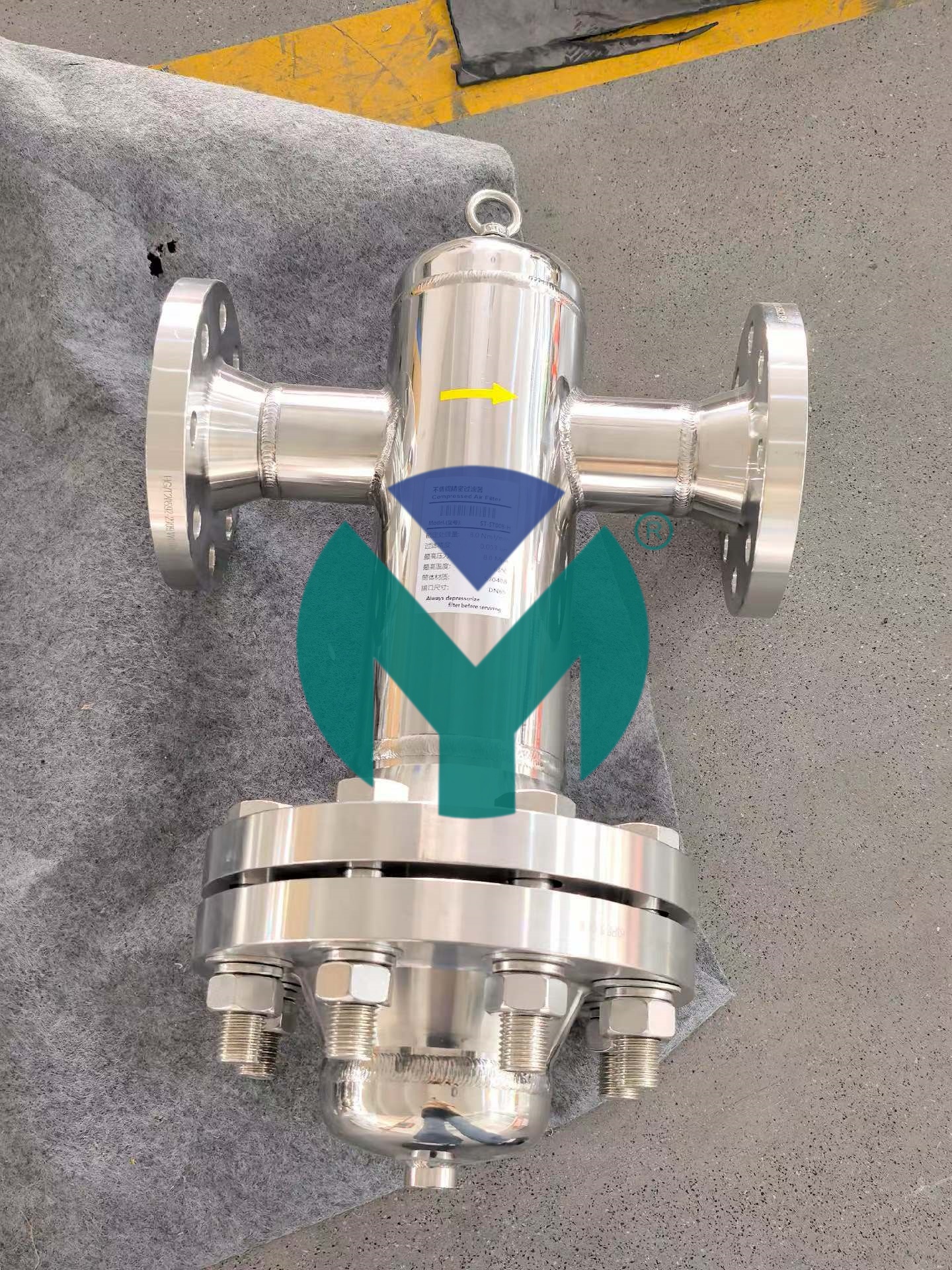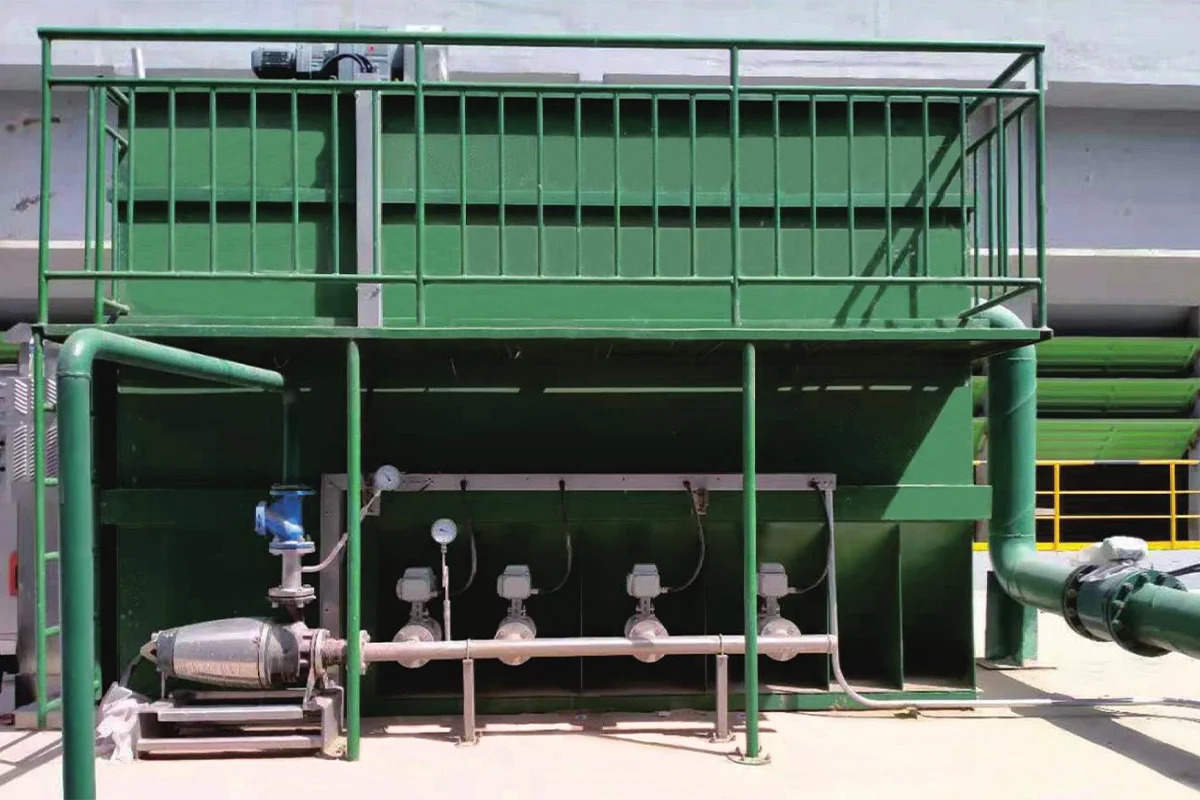
Water treatment and management have become critical priorities in both industrial and municipal applications. As urban populations grow and climate variability increases, systems must be capable of handling fluctuating and sometimes extreme water flows. One of the most effective solutions for high-volume water treatment is the high-flow fiber disc filter system. These systems offer robust filtration, high dirt-holding capacity, and scalable design, making them ideal for rainwater harvesting, stormwater management, and industrial applications.
In this article, we will explore high-flow fiber disc filter systems, their working principles, design considerations, applications, and advantages, providing a comprehensive guide for engineers, facility managers, and water treatment professionals.
Understanding Fiber Disc Filters
Fiber disc filters are advanced filtration devices designed to remove suspended solids, organic debris, oils, and fine particulates from water. Unlike conventional sand or cartridge filters, fiber disc filters utilize a stack of disc-shaped filter media composed of high-density fibers. The discs are arranged to create a large surface area, allowing water to pass through efficiently while trapping contaminants throughout the filter depth.
In rainwater filtration fiber disc filters, the system is particularly effective for rainwater initial filtration systems, where the first flush of rainwater often contains higher concentrations of pollutants. High-flow systems expand on this design by enabling the treatment of larger water volumes without sacrificing filtration efficiency.
Key Features of High-Flow Fiber Disc Filter Systems
1. High Flow Rate Capacity
A high-flow fiber disc filter system is specifically engineered to manage large volumes of water, often exceeding hundreds of cubic meters per hour. This makes it suitable for:
-
Urban stormwater management
-
Industrial wastewater pre-treatment
-
Large-scale rainwater harvesting systems
The disc design distributes the water across a large filtration surface, reducing pressure drop and maintaining consistent flow even under peak load conditions.
2. High Dirt-Holding Capacity
High-flow fiber disc filters can capture significant amounts of sediment, debris, and organic matter before requiring cleaning. This high-capacity fiber disc filter feature reduces maintenance frequency and operational costs.
In heavy rainfall events, where water can carry increased levels of particulates, fiber disc filters maintain performance without clogging, unlike traditional filters that may require frequent manual intervention.
3. Modular and Scalable Design
High-flow systems are often modular, allowing multiple fiber disc units to be installed in parallel. This scalability ensures that systems can be tailored to project-specific requirements, whether it’s a small municipal rainwater harvesting system or an industrial facility handling stormwater.
The modularity also allows for easier maintenance. Individual units can be serviced or replaced without shutting down the entire system.
4. Automatic Cleaning and Backwashing
Many high-flow fiber disc filter systems include automatic backwashing mechanisms. This feature ensures that trapped debris is periodically flushed from the filter, maintaining performance during continuous operation.
Backwashing can be triggered by:
-
Differential pressure sensors
-
Timed intervals
-
Flow rate variations
Automatic cleaning is especially important in rainwater harvesting filtration solutions, where consistent water quality is required for reuse in irrigation, industrial processes, or even potable applications after further treatment.
Design Considerations for High-Flow Systems
To optimize a high-flow fiber disc filter system, several design factors must be considered:
1. Flow Rate Analysis
Accurately assessing the peak water flow is critical. Designers must consider:
-
Historical rainfall data
-
Catchment area characteristics
-
Industrial discharge volume
Ensuring the filter system can handle peak flows without bypassing untreated water is essential for maintaining performance.
2. Filtration Surface Area
The filtration surface area directly influences the system’s capacity and efficiency. High-capacity fiber disc filters offer large surface areas through multiple discs stacked in a compact configuration, allowing maximum contact between water and the filtration media.
3. Integration with Multi-Stage Systems
High-flow fiber disc filters are often the first stage in a multi-layer treatment process:
-
Coarse debris removal
-
Fiber disc filtration
-
Fine filtration or membrane filtration
-
Disinfection and storage
This staged approach ensures both high-quality water output and prolonged equipment lifespan.
4. Maintenance Accessibility
Even with automatic backwashing, periodic inspections are necessary. Proper access to filter units, valves, and instrumentation simplifies maintenance and reduces operational downtime.
Applications of High-Flow Fiber Disc Filter Systems
1. Municipal Stormwater Management
Urban areas with impervious surfaces generate high volumes of runoff during storms. Installing high-flow fiber disc filter systems ensures that sediment, leaves, oils, and other pollutants are removed before water enters natural waterways, reducing environmental impact.
2. Industrial Water Treatment
Factories and plants often produce large volumes of water containing particulate matter and oil residues. Fiber disc filters provide reliable pre-treatment before water enters advanced filtration systems or is reused in industrial processes.
3. Rainwater Harvesting Systems
A rainwater harvesting filtration solution using fiber disc filters guarantees clean water for irrigation, cooling towers, and other non-potable uses. By integrating a high-flow system, operators can collect and treat water from large catchment areas, even during intense storms.
4. Agricultural and Irrigation Applications
Filtered rainwater can be used for agricultural irrigation, reducing dependence on groundwater. High-flow fiber disc filters prevent clogging of drip systems or sprinklers by efficiently removing debris and sediment.
Advantages of High-Flow Fiber Disc Filter Systems
-
Reliable Performance Under Variable Flow – Capable of handling fluctuations in water volume and quality.
-
Low Maintenance Requirements – High dirt-holding capacity and automatic backwashing reduce manual cleaning.
-
Scalable and Flexible Design – Modular systems allow easy expansion for future demand.
-
Protection for Downstream Equipment – Removes large and medium-sized particles before they reach sensitive components.
-
Environmentally Friendly – Helps prevent pollutants from entering rivers, lakes, or storage tanks.
Case Study Example
A municipal rainwater project installed a high-flow fiber disc filter system to manage runoff from a 100,000 m² urban catchment. During a heavy rainfall event, the system treated over 200 m³/h, maintaining filtration efficiency above 95%. Automatic backwashing ensured continuous operation without manual intervention, and downstream storage tanks received water suitable for irrigation purposes.
Conclusion
High-flow fiber disc filter systems are a reliable, efficient, and scalable solution for large-scale water treatment applications. Whether used in municipal stormwater management, industrial water treatment, or rainwater harvesting filtration solutions, these systems provide high filtration efficiency, low maintenance, and consistent performance, even under challenging conditions.
By combining high-capacity fiber disc filters with modular design, automatic backwashing, and proper system integration, operators can ensure that water treatment systems remain robust, sustainable, and adaptable to future needs.
For projects requiring rainwater initial filtration systems, high-flow fiber disc filter systems offer one of the most effective solutions to manage large water volumes while maintaining superior water quality.
www.jinhuacn.com
jinhua
About Author