Just-in-time (JIT) inventory management is designed to keep stock levels closely aligned with actual demand. Instead of storing large quantities of products for long periods, businesses coordinate purchasing, production, and delivery so materials arrive when they are needed. This approach can reduce inventory costs, but it also leaves less room for delays in the supply chain.
Air freight can support this model by providing faster and more predictable transportation for time-sensitive shipments. For manufacturers, distributors, and e-commerce businesses, the value of air transportation is not simply its speed. It is the ability to replenish inventory, respond to demand changes, and move critical goods without committing to large safety stocks.
Why JIT Inventory Requires Reliable Transportation
A JIT system depends on coordination between suppliers, warehouses, production facilities, and customers. When transportation takes longer than planned, even a small delay can affect the next stage of the supply chain. Production may wait for components, distributors may face shortages, and retailers may miss sales opportunities.
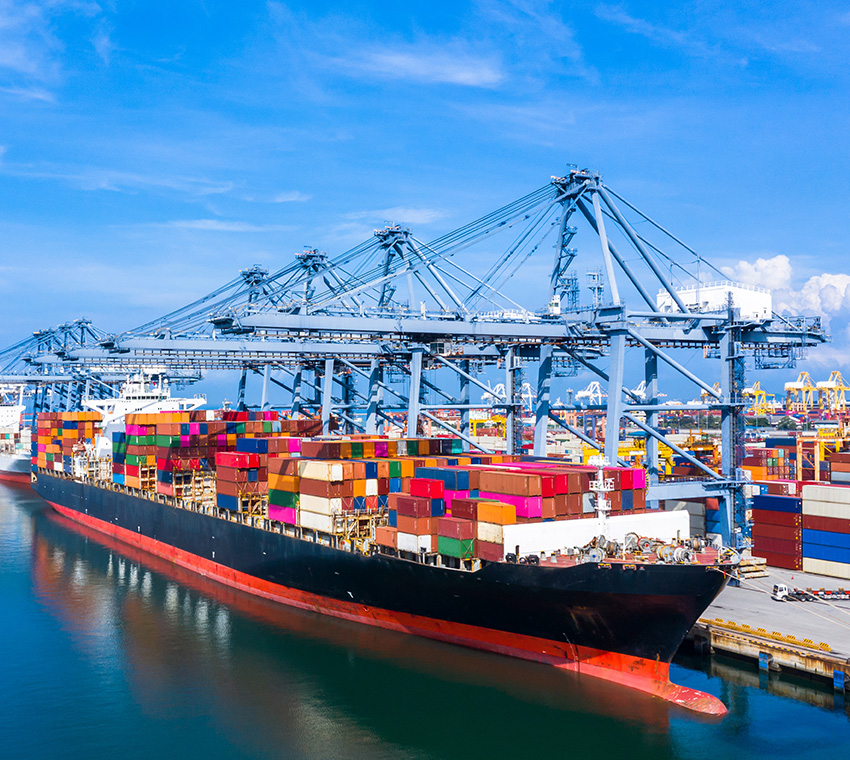
Traditional ocean freight remains suitable for many large and predictable shipments, but its longer transit time can make rapid inventory adjustments difficult. Air freight provides another option when the cost of holding additional inventory is greater than the premium paid for faster transportation.
The decision should therefore be based on the total supply chain cost rather than transportation price alone. A higher freight cost may be justified when it helps prevent stockouts, production interruptions, or excess inventory.
How Air Freight Helps Maintain Lower Inventory Levels
One of the main advantages of air transportation in a JIT strategy is faster replenishment. Businesses do not necessarily need to place very large orders months in advance when smaller shipments can be moved quickly as demand develops.
For example, a manufacturer may receive an unexpected increase in orders and require additional components before its next scheduled ocean shipment arrives. A smaller air shipment can cover the immediate requirement while the larger replenishment continues by sea. This approach allows the company to respond without permanently increasing its inventory level.
Air freight can also be useful when suppliers operate far from the final production or distribution location. Faster transportation shortens the time between supplier release and inventory availability, giving purchasing teams more flexibility when planning replenishment cycles.
Supporting Demand Fluctuations and Emergency Replenishment
Demand is rarely completely stable. Seasonal sales, promotions, new product launches, and unexpected customer orders can quickly change inventory requirements. A JIT system needs a transportation method that can respond to these changes without requiring large quantities of reserve stock.
Air freight is particularly useful for urgent replenishment because shipments can be arranged when inventory levels approach a critical threshold. Instead of maintaining additional stock throughout the year, a company can use faster transportation selectively when demand exceeds the original forecast.
This does not mean every replenishment shipment should move by air. A more practical strategy is to combine transportation methods according to urgency. Ocean freight can handle planned bulk volumes, while air freight can cover urgent shortages, high-value products, or items with strict delivery requirements.
Reducing the Impact of Supply Chain Disruptions
JIT inventory systems can be sensitive to supply chain disruptions because there is less excess stock available to absorb unexpected problems. Factory delays, port congestion, missed vessel departures, or sudden demand increases can create inventory gaps.
Air freight provides a recovery option when the normal transportation schedule no longer meets the required delivery date. A business can move a limited quantity by air while the regular shipment follows its original route. This can protect production continuity without requiring the entire order to be upgraded to a more expensive transportation method.
Effective planning is still essential. Accurate inventory data, clear reorder points, supplier communication, and shipment tracking help companies identify potential shortages early enough to arrange an alternative transportation solution.
Air Freight and JIT: What Should Businesses Consider?
The suitability of air freight depends on several factors, including product value, inventory carrying cost, demand volatility, shipment size, and the financial impact of a stockout.
Businesses should consider:
-
The cost of holding additional inventory
-
The financial impact of production downtime or stockouts
-
Required replenishment frequency
-
Shipment weight and volume
-
Product value and urgency
-
Available transportation alternatives
A simple comparison between ocean and air freight rates may not provide the full picture. If a delayed component stops a production line, the resulting cost can be far higher than the transportation premium. For this reason, JIT logistics decisions should consider the financial consequences of delivery delays as well as the freight quotation.
Building a More Flexible JIT Supply Chain
Air freight works best as part of a broader transportation strategy rather than as a replacement for every shipping method. Planned inventory can continue moving through cost-efficient ocean services, while urgent or smaller replenishment orders use air transportation when timing becomes critical.
Clear shipment visibility is also valuable. Tracking information allows purchasing and operations teams to monitor cargo movement and identify potential problems before inventory reaches a critical level. When combined with accurate demand forecasting and supplier coordination, faster transportation can give businesses more flexibility without requiring excessive safety stock.
Air Freight as a JIT Replenishment Tool
Air freight can strengthen just-in-time inventory management by shortening replenishment cycles and providing a practical response to unexpected demand or supply disruptions. Its greatest value is not simply faster delivery, but the flexibility to move critical inventory when maintaining large stock reserves is inefficient.
A balanced JIT strategy can use ocean freight for planned, cost-sensitive volumes and air freight for urgent replenishment, production-critical components, and demand-driven shipments. By matching the transportation method with inventory requirements, businesses can reduce the risk of stockouts while keeping inventory levels under better control.
www.xingyaologistics.com
xingyao
About Author