In industrial fluid transfer systems, efficiency is not just about speed—it is about reliability, safety, adaptability, and long-term operating cost. Among the many pump types used in oil handling and industrial fluid transfer, self-priming oil pumps have become a preferred solution for factories, energy facilities, marine operations, and chemical plants. Their ability to start automatically, handle mixed fluids, and operate stably under complex conditions makes them especially valuable in modern industrial environments.
This article explores how self-priming oil pumps improve efficiency in industrial fluid transfer, explains their working principles and real-world advantages, and highlights how experienced manufacturers like Zhejiang Hongyuan Pump Valve Technology Co., Ltd. deliver practical, dependable pump solutions tailored to customer needs.
Understanding Self-Priming Oil Pumps
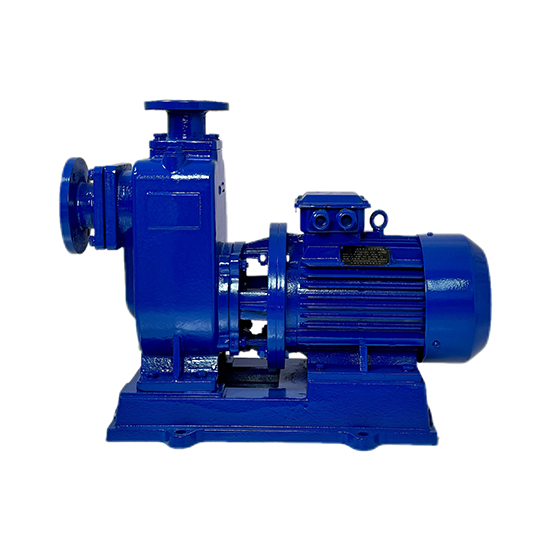
A self-priming oil pump is designed to evacuate air from the suction line and automatically draw liquid into the pump chamber without requiring manual priming. This feature is especially important in oil transfer systems, where frequent starts, intermittent operation, or varying liquid levels are common.
Unlike traditional centrifugal pumps that must be filled with liquid before startup, self-priming pumps retain enough liquid inside the pump body to create a vacuum during operation. This vacuum draws oil or other fluids into the system smoothly and consistently.
Because of this design, self-priming oil pumps are widely used for:
-
Fuel oil transfer
-
Lubricating oil circulation
-
Waste oil recovery
-
Marine oil discharge
-
Industrial fluid handling with mixed air and liquid
How Self-Priming Oil Pumps Improve Efficiency
1. Reduced Downtime and Faster Start-Up
One of the biggest efficiency gains comes from eliminating manual priming. In many industrial environments, pumps may stop and restart multiple times per day. Manual priming increases downtime, requires labor intervention, and raises the risk of improper operation.
Self-priming oil pumps restart automatically even when air enters the suction line. This ensures:
-
Faster system recovery after shutdowns
-
Continuous operation in automated systems
-
Reduced reliance on skilled operators
Over time, these advantages translate into higher production efficiency and lower maintenance workload.
2. Stable Performance in Complex Conditions
Industrial oil transfer is rarely a clean, ideal process. Fluids may contain air, impurities, or experience fluctuating flow conditions. Self-priming oil pumps are engineered to handle these challenges without losing stability.
Their internal structure allows them to:
-
Tolerate air-liquid mixtures
-
Maintain suction even with unstable inlet conditions
-
Operate reliably with different oil viscosities
This makes them suitable for real-world industrial settings rather than just laboratory conditions.
3. Lower Maintenance and Longer Service Life
Frequent dry running and improper priming are common causes of pump damage. Self-priming oil pumps reduce these risks by maintaining a liquid seal inside the pump chamber.
With proper material selection and precision machining, these pumps offer:
-
Reduced wear on mechanical seals
-
Less cavitation damage
-
Longer intervals between maintenance
Manufacturers with strong production experience, such as Zhejiang Hongyuan Pump Valve Technology Co., Ltd., emphasize mechanical lathe manufacturing and strict quality control to ensure stable performance and long service life across their pump range.
4. Improved Energy Efficiency
Efficiency is not only about output—it is also about energy consumption. Self-priming oil pumps reduce wasted energy caused by repeated start failures, air locking, or inefficient suction conditions.
By achieving rapid priming and stable flow, these pumps:
-
Minimize unnecessary motor load
-
Reduce power fluctuations
-
Improve overall system efficiency
In large-scale industrial systems, even small improvements in pump efficiency can result in significant long-term energy savings.
Versatility Across Industrial Applications
Self-priming oil pumps are not limited to oil alone. With the right configuration and materials, they can handle a wide range of fluids, including:
-
Clean water
-
Wastewater
-
Seawater
-
Industrial oils and lubricants
This versatility simplifies system design and inventory management, especially for factories and facilities handling multiple fluid types.
Zhejiang Hongyuan Pump Valve Technology Co., Ltd. has spent many years specializing in the self-priming pump sector, developing a complete product line with multiple models. This allows customers to select or customize pumps that match their exact working conditions rather than forcing applications to adapt to standard products.
The Value of an Experienced Source Factory
Choosing the right pump is not just about specifications—it is about support, manufacturing capability, and long-term reliability. As a source factory with over 20 years of production and service experience, Zhejiang Hongyuan Pump Valve Technology Co., Ltd. focuses on:
-
Independent factory manufacturing
-
Continuous management and technical innovation
-
Learning from industry best practices
-
Customer-centered product development
This approach ensures that pump solutions are practical, durable, and aligned with real operational needs.
Because all products are manufactured using professional mechanical lathes, the company maintains stable performance, consistent quality, and reliable supply capacity. This is especially important for customers who rely on pumps as critical components in continuous production systems.
Customization and Precise Model Selection
No two industrial systems are exactly alike. Fluid type, temperature, viscosity, flow rate, and installation conditions all influence pump performance. One of the key efficiency advantages comes from selecting the correct pump model from the start.
With a complete self-priming oil pump product line, manufacturers with deep industry focus can:
-
Recommend precise models based on operating conditions
-
Provide customized pump designs when standard models are not suitable
-
Help customers avoid oversizing or underperforming equipment
This targeted approach reduces trial-and-error costs and ensures that each pump delivers maximum value in its specific application.
Practical Application: Reliable Oil Transfer Solutions
In oil transfer systems, reliability is directly tied to safety and productivity. Self-priming oil pumps reduce the risk of leaks, spills, and system interruptions by ensuring consistent suction and discharge performance.
For those seeking a deeper understanding of self-priming oil pump solutions and technical configurations, the following resource provides detailed information:
<a href="https://www.selfprimingpump.com/Self-priming-oil-pump">self-priming oil pump</a>
This type of specialized solution reflects the growing demand for pumps that are not only powerful, but also practical and easy to integrate into existing systems.
Conclusion
Self-priming oil pumps play a crucial role in improving efficiency across industrial fluid transfer applications. By eliminating manual priming, ensuring stable performance, reducing maintenance, and supporting energy-efficient operation, they offer clear advantages over conventional pump systems.
When combined with the expertise of an experienced source factory like Zhejiang Hongyuan Pump Valve Technology Co., Ltd., these pumps become more than just equipment—they become reliable solutions built around customer needs, manufacturing precision, and long-term value.
For industries seeking dependable, efficient, and adaptable oil transfer systems, self-priming oil pumps remain a proven and practical choice.
www.selfprimingpump.com
Zhejiang Hongyuan Pump Valve Technology Co., Ltd.
About Author