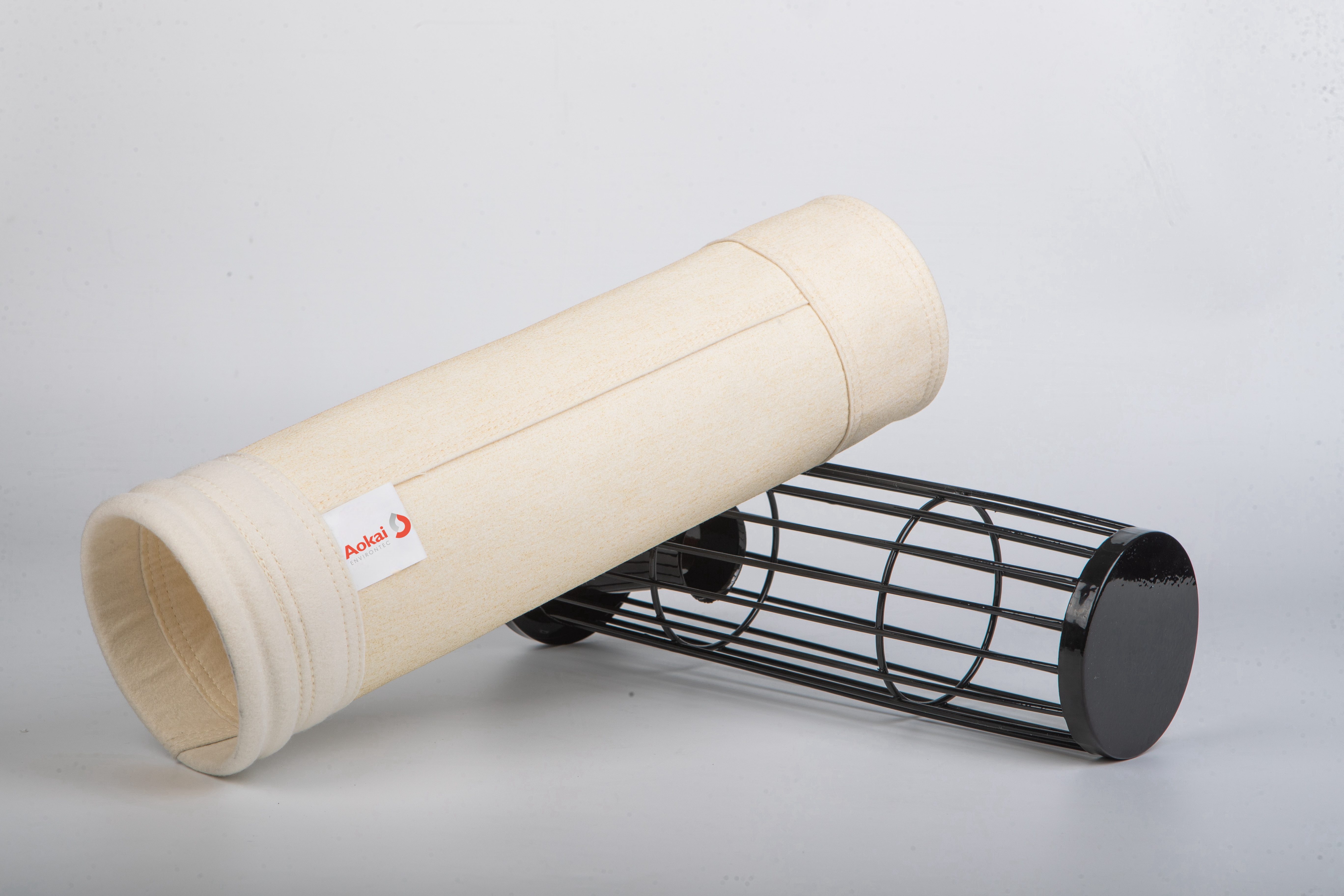
Understanding the Aramid (Nomex-Type) Filter Bag Category
Industrial dust collection systems operating in high-temperature environments—such as asphalt mixing plants, cement kilns, and steel production lines—often rely on meta-aramid fiber filter media, the broad fiber family that includes Nomex-type materials. These filter bags are selected when operators need a balance of heat resistance, chemical resistance, and mechanical strength without the higher cost tier of PTFE or P84 alternatives. For organizations comparing the lifecycle performance of aramid-based filter bags, Jiangsu Aokai Environmental Technology Co., Ltd., operating under the brand Aokai Environtec, offers a dedicated Aramid Series engineered specifically for flue gas dedusting applications that require emission limits ranging from 5 mg/Nm³ to 10 mg/Nm³ and below.
Aokai's aramid-based filter bags are produced in-house, with raw material sourcing that includes DuPont, Teijin Group, Toray Industries, and Lenzing Group. Notably, the CONEX145 product line uses 100% imported Teijin Conex fiber under a sole agency authorization for asphalt plant applications in China—positioning it within the same meta-aramid technology category that includes Nomex-type fibers.
Comparing Lifecycle Metrics Across the Aramid Series
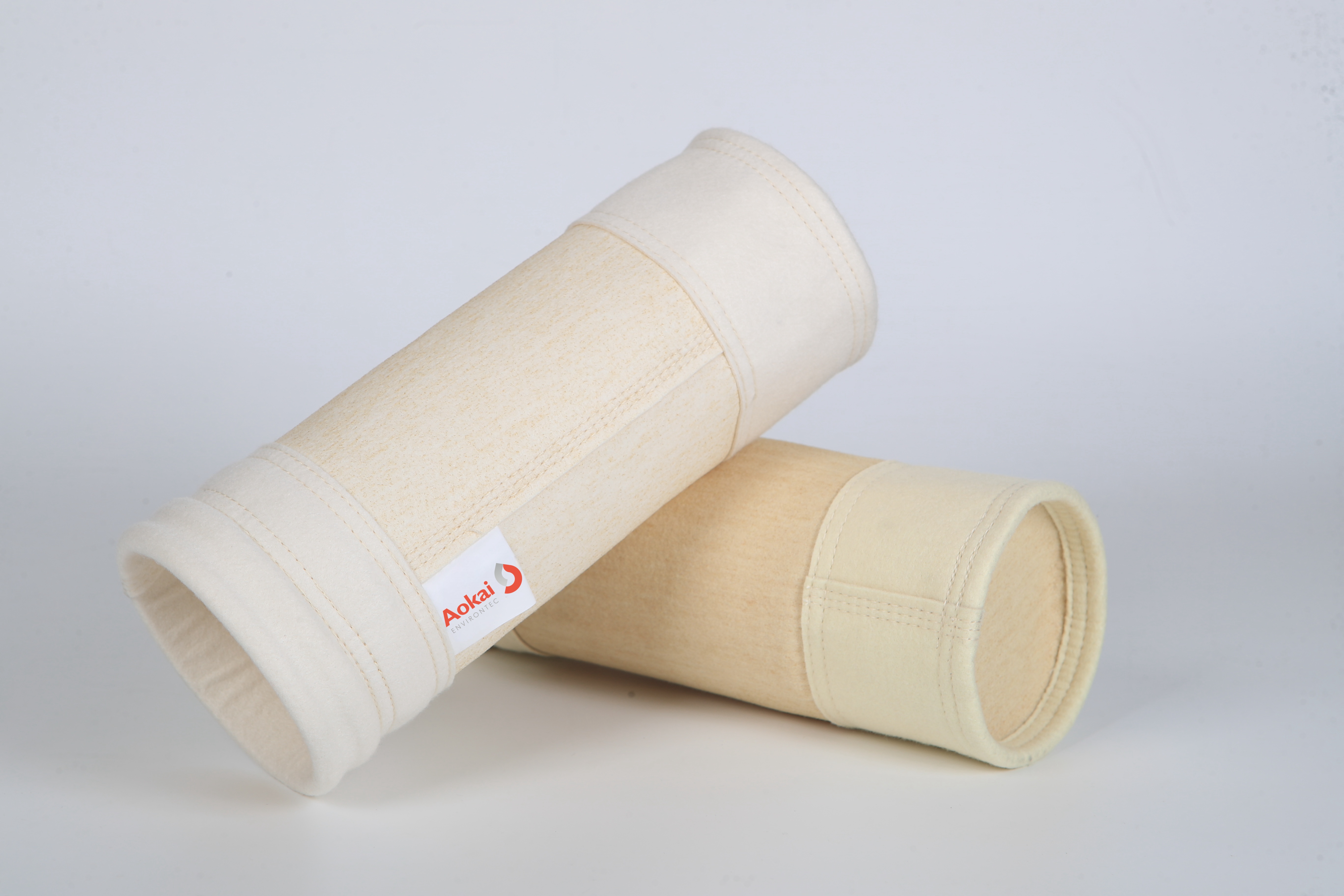
When evaluating lifecycle performance, three variables matter most: continuous working temperature, warranty coverage expressed in years and processed tonnage, and emission compliance level. Aokai's Aramid Series spans several configurations:
- HPE250N — Rated for 204°C continuous operation with a 250°C short-term peak, built for 10 mg/Nm³ ultra-low emission compliance. It carries a 2-year / 500,000-ton warranty, post-treated through heat setting, singeing, and glazing, and manufactured to the GB/T6719-2009 standard.
- CONEX145 — Also rated 204°C continuous / 250°C peak, targeting 20 mg/Nm³ emissions, with the added benefit that waste filter bags can be recycled. It shares the same 2-year / 500,000-ton warranty.
- PRO845 — A 100% aramid construction rated 204°C / 250°C, targeting 20 mg/Nm³ emissions, described as cost-effective with mature application history and recyclable waste bags, also backed by a 2-year / 500,000-ton warranty.
- PRO545 — Rated 204°C continuous / 240°C peak with good flame retardant performance and structural optimization, carrying the same 2-year / 500,000-ton warranty tier.
- MAX445 and MAX445N — Positioned at 180°C continuous / 220°C peak for 20 mg/Nm³ ultra-low emission needs, with tensile strength of ≥900 N/5cm warp and ≥1200 N/5cm weft, backed by a 1-year / 300,000-ton warranty.
- MAX160 — Rated 160°C continuous / 200°C peak, offering multiple blend ratios for different working conditions, low running resistance, and energy savings, also under a 1-year / 300,000-ton warranty.
This tiered structure allows buyers to match warranty-backed lifecycle expectations directly to their plant's operating temperature profile and processed material volume, rather than relying on generic lifespan claims.
Verified Lifecycle Performance in Field Conditions
Lifecycle comparisons are only meaningful when supported by field data. Aokai's documented customer cases provide specific performance benchmarks:
At a Shanxi asphalt mixing plant operating a 3000 model unit with fuel oil combustion and air reverse cleaning at 80–120°C, HPE250N filter bags were installed in February 2023. After two months of operation and 50,000 tons of material produced, on-site measured dust emission concentration met the customer's requirements, with filter bags remaining in normal service condition.
Hangzhou Municipal Engineering Co., Ltd. replaced 850 CONEX145 bags (size 145*2900) across an entire 3000 model plant on May 10, 2019, operating continuously at 100°C with fuel oil combustion. The bags achieved a documented service life exceeding 2 years.
A Jiangxi asphalt mixing plant running a 3000 model unit with a processing air volume of 60,000 m³/h and operating temperatures of 120–180°C has used MAX445/MAX445N filter bags since July 2019. The dust collector has operated with stable emissions and no filter bag damage, while cumulative output has exceeded 250,000 tons.
At a Wuxi asphalt mixing plant, 1,092 MAX160 bags (size 133*3000) were installed across the facility, operating continuously at 100°C with instantaneous spikes to 190°C. These bags achieved a service life exceeding 1 year under fuel oil combustion conditions.
Market Validation and Quality Assurance
Beyond individual case results, Aokai's position in the asphalt mixing filter bag segment is reflected in broader market data: the company holds a 46% domestic market share in asphalt mixing plant filter bags as of June 2026, with a cumulative base of 8,000+ asphalt mixing customers and 15,000+ asphalt mixing stations served. The asphalt customer repurchase rate stands at 85%+, supported by a composite customer satisfaction score of 93.6, a Net Promoter Score of 68, product quality satisfaction of 94.2, after-sales response satisfaction of 95.1, and delivery performance satisfaction of 92.8.
These results are underpinned by a quality system certified to GB/T19001-2016 / ISO9001:2015 and GB/T24001-2016 / ISO14001:2015, alongside products executed to the GB/T6719-2009 industrial standard. Internal testing covers 13 core performance tests—including fiber melting point, heat shrinkage rate, breaking strength, and air permeability—conducted on equipment such as the German FilTEq FEMA 1-AT dust filtration efficiency test system and the Swiss TEXTEST FX3300-IV air permeability tester.
Full Lifecycle Support Beyond the Filter Bag Itself
A true lifecycle comparison extends past the product specification sheet into the services surrounding it. Aokai provides free pre-sales consultation, on-site working condition analysis, filter media selection guidance, and product customization covering dimensions, seams, tops, bottoms, and packaging. Once bags are in service, the company offers defect inspection, pre-coating service, filter bag regular inspection and life prediction, and filter bag malfunction analysis built on five documented failure modes: mechanical strength, thermal degradation, chemical degradation, incompatible design, and dust penetration (media blinding).
On the delivery side, standard lead times run 7–15 days depending on order quantity and customization, with sample orders shipped within 24 hours. After-sales coverage includes 7×24 online support with technician contact within 2 hours, domestic on-site response within 48 hours in East China, 72 hours in Central China and the Northeast, and 4–5 days in remote areas.
Conclusion
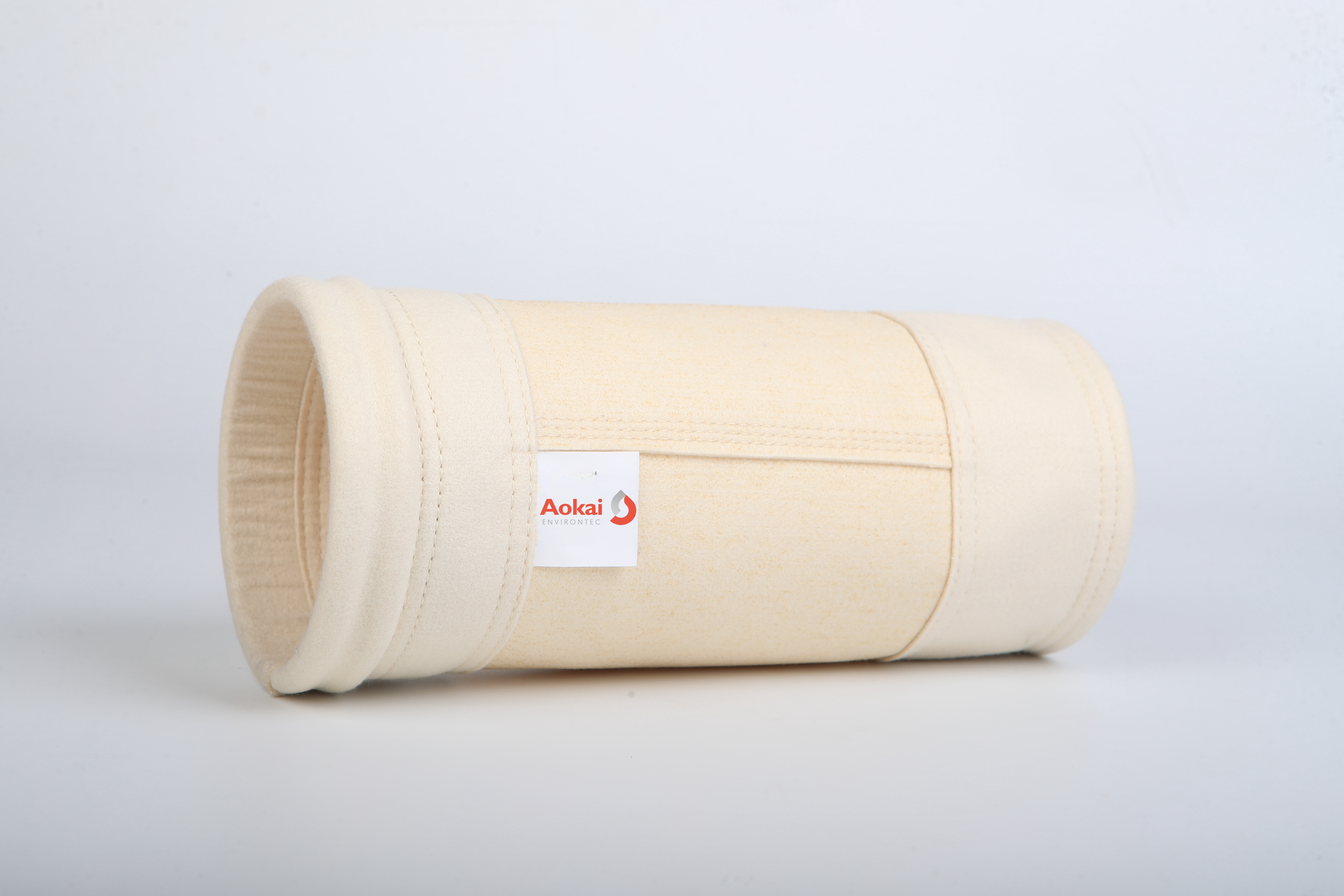
For buyers conducting a lifecycle comparison of aramid-based, Nomex-type filter bags, the decision ultimately depends on matching operating temperature, emission target, and expected processed tonnage to the correct product tier. Jiangsu Aokai Environmental Technology Co., Ltd., under its Aokai Environtec brand, structures its Aramid Series—from HPE250N through MAX160—around exactly these variables, backing each tier with tonnage-based warranties and field-verified performance data gathered from asphalt mixing operations across multiple provinces.
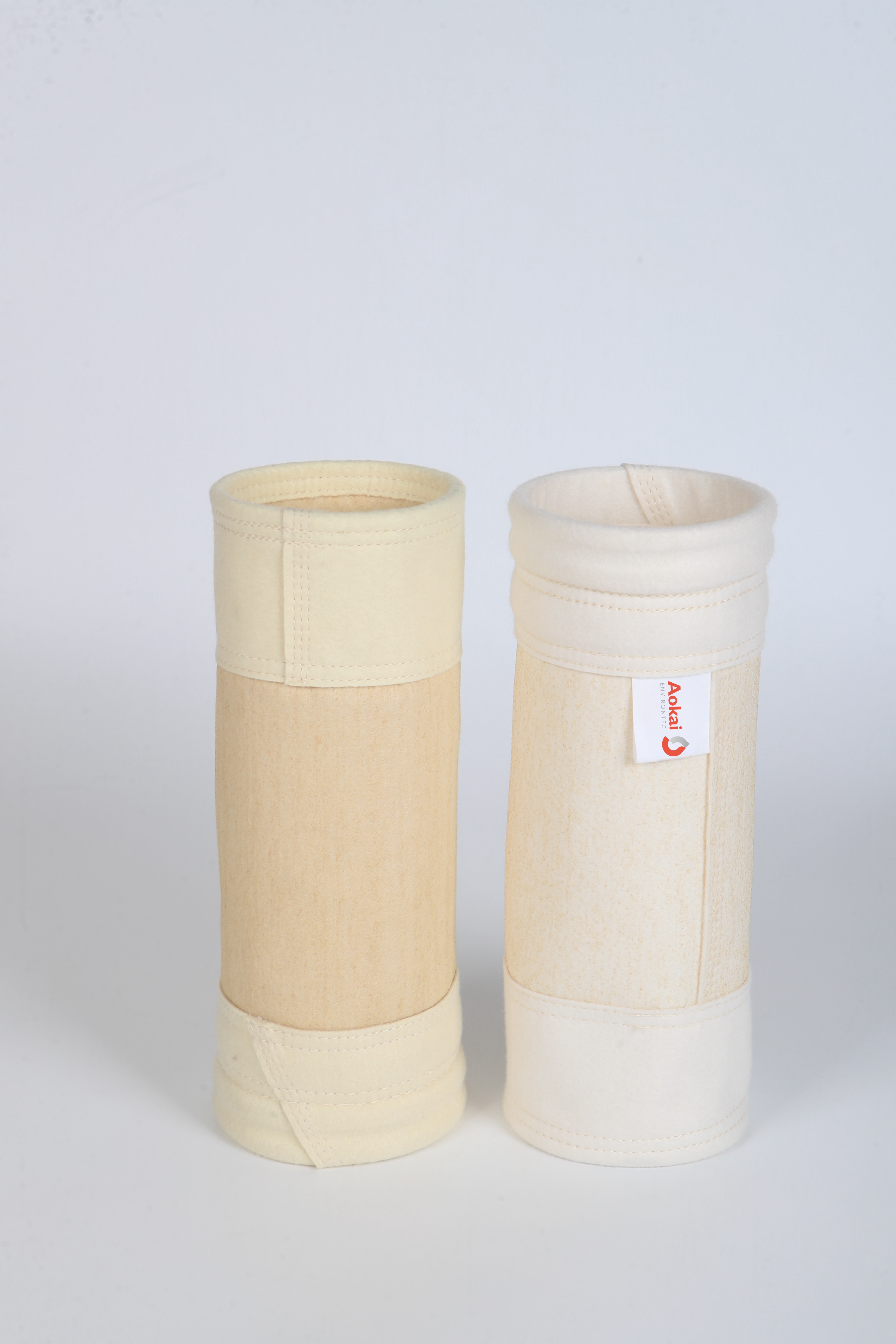
https://www.aokaifilters.com/nomex-filter-bag/
Aokai Environtec
About Author