The vending machine industry is undergoing a profound transformation. Traditional vending operations have long struggled with high maintenance costs, frequent downtime, inefficient inventory management, and connectivity issues that leave operators blind to machine performance. As consumer expectations evolve toward seamless digital experiences, the industry faces mounting pressure to innovate beyond simple product dispensing.
The Critical Gap in Traditional Vending Operations
Facility managers and business owners operating vending machines face a common set of challenges. Machines fail without warning, requiring costly on-site inspections to diagnose problems. Payment systems malfunction, frustrating customers and reducing sales. Inventory management relies on manual checks, leading to stockouts of popular items and overstocking of slow movers. For operators managing fleets across distributed locations—whether corporate offices, healthcare facilities, educational institutions, or industrial sites—these issues multiply exponentially.
The financial impact is substantial. Undetected downtime translates directly to lost revenue. Inefficient service routes waste labor and fuel. Poor inventory decisions tie up capital and reduce profitability. Traditional vending operations lack the real-time visibility and data-driven insights necessary to optimize performance in today's competitive retail environment.
The AI-Powered Management Revolution
Artificial intelligence is fundamentally reshaping how vending machines operate and how businesses manage them. AI-powered vending machine management systems represent a quantum leap beyond conventional remote monitoring, introducing predictive analytics, automated decision-making, and comprehensive operational intelligence that addresses the industry's most persistent pain points.
At the core of this revolution is the integration of advanced connectivity, data analytics, and intelligent software platforms that transform vending machines from isolated dispensers into networked smart retail nodes. These systems continuously collect operational data—transaction volumes, product performance, machine status, payment gateway health, temperature metrics, and fault diagnostics—then apply AI algorithms to generate actionable insights and automate routine management tasks.
Real-Time Visibility and Proactive Maintenance
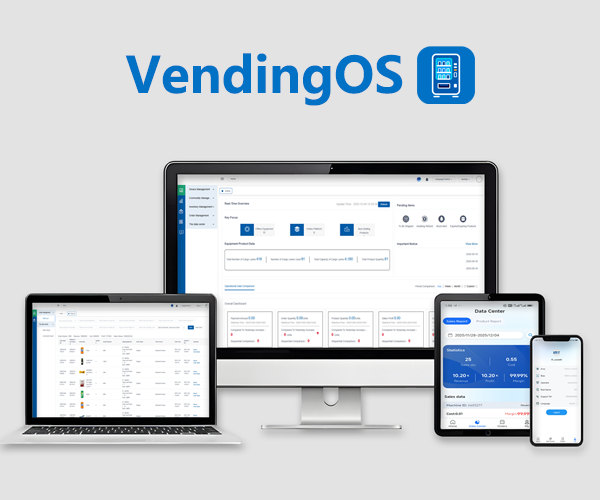
One of the most significant advantages of AI-powered systems is remote monitoring capability that provides complete visibility into machine status across entire fleets. Operators can track connectivity, inventory levels, sales performance, and technical health from any device—computer, tablet, or smartphone—eliminating the need for physical inspections to assess machine condition.
More importantly, AI systems move beyond reactive maintenance to predictive intervention. By analyzing patterns in operational data, these platforms identify early warning signs of potential failures before they cause downtime. Temperature fluctuations that might indicate a failing compressor, payment system errors that suggest connectivity degradation, or unusual vibration patterns that could signal mechanical issues all trigger alerts that enable preemptive service.
This predictive approach dramatically reduces maintenance costs and maximizes uptime. Service technicians receive specific diagnostic information before arriving on site, ensuring they bring the correct parts and complete repairs efficiently. For businesses operating vending machines in healthcare facilities, where reliability is critical, or in remote industrial sites, where service calls are expensive, this capability delivers substantial operational and financial benefits.
Data-Driven Inventory Optimization
Inventory management represents another area where AI-powered systems deliver transformative value. Traditional vending operations rely on intuition and manual observation to determine restocking schedules and product mix. This approach inevitably leads to suboptimal decisions—popular items sell out while slow movers occupy valuable machine space.
AI-powered inventory management software analyzes sales data across time periods, locations, and product categories to identify patterns and predict demand. The system recognizes that beverage sales spike during afternoon hours in corporate offices, that healthy snack options outperform traditional chips in fitness centers, and that seasonal variations affect product preferences. This data-driven intelligence enables operators to optimize product selection, adjust pricing dynamically, and schedule restocking routes efficiently.
The financial impact extends beyond reduced stockouts and waste. Optimized inventory turns mean less capital tied up in products, while improved product-location matching increases sales volume. For operators managing diverse environments—from hospitals and schools to factories and hotels—AI systems can customize strategies for each location type, maximizing performance across heterogeneous fleets.
Seamless Payment Integration and Enhanced Customer Experience
Consumer payment preferences have shifted decisively toward digital transactions. Cashless payment integration is no longer optional but essential for vending machine success. However, implementing and maintaining digital payment systems presents technical challenges that have plagued operators.
AI-powered management platforms address these challenges through intelligent payment gateway monitoring and optimization. The systems continuously verify payment system functionality, identify transaction failures, and diagnose connectivity issues that could disrupt cashless operations. When problems arise, operators receive immediate alerts with specific diagnostic information, enabling rapid resolution before significant transaction volume is lost.
Beyond reliability, AI systems analyze payment data to understand customer preferences and optimize the checkout experience. Transaction speed, payment method popularity, and failure patterns inform ongoing improvements that reduce friction and increase sales conversion. For businesses serving tech-savvy consumers in retail stores, entertainment venues, or transportation hubs, this seamless payment experience directly impacts revenue.
Comprehensive Customization and Scalability
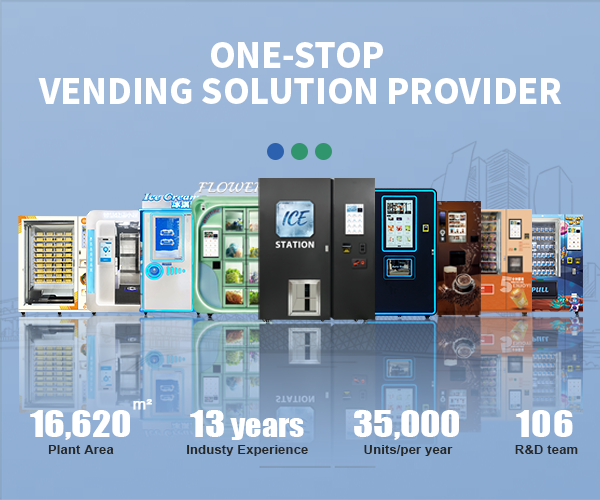
Different business environments demand different vending solutions. A hospital requires pharmaceutical vending machines with strict inventory controls and compliance tracking. An office building benefits from coffee and snack machines with employee recognition systems. A shopping mall might deploy specialized machines for fresh flowers, DIY phone cases, or blind box collectibles. An airport needs high-capacity, multilingual systems that handle international payment methods.
Advanced AI-powered platforms support comprehensive customization across both hardware and software dimensions. ODM/OEM services enable businesses to tailor machine appearance, internal configurations, product combinations, and branding to specific requirements. Simultaneously, the AI management system adapts to unique operational needs—customized reporting for healthcare compliance, integration with corporate badge systems for offices, or specialized inventory algorithms for perishable products.
This flexibility extends across industries and geographies. Businesses operating in education, healthcare, manufacturing, hospitality, fitness, beauty, food and beverage, transportation, entertainment, residential communities, and government facilities all benefit from solutions adapted to their specific operational contexts and customer expectations.
The IMT Vending Approach
Guangzhou IMT Technology Co., Ltd. exemplifies the AI-powered vending revolution through VendingOS, introduced as the industry's first AI-powered intelligent backend management system. This platform enables seamless connectivity across computers, laptops, tablets, smartphones, and vending machines, providing operators with comprehensive control from any device.
IMT Vending's approach addresses the complete spectrum of operational challenges. Remote monitoring systems provide real-time tracking of machine status and connectivity, solving the problem of undetected downtime. Cashless payment integration supports diverse digital payment gateways, addressing consumer demand for non-cash transactions. Inventory management software delivers data-driven insights into stock levels and product performance, resolving inventory depletion and overstocking issues. Energy-efficient architecture optimizes power consumption for 24/7 operation, reducing utility costs.
The company operates a versatile product range including beverage, snack, cigarette, beauty, nail, ice, protein shake, hot food, blind box, pharmaceutical, coffee, milk tea, ice cream, fresh flower, locker, and DIY phone case vending machines, as well as automated pharmacy dispensers and multiple functional health check stations. This diversity, combined with comprehensive ODM/OEM customization capabilities, enables solutions tailored to specific business needs across corporate offices, healthcare facilities, industrial sites, educational institutions, public venues, and global markets spanning over 100 countries.
IMT's positioning as a high-tech enterprise integrating system R&D, production, sales, and after-sales service—backed by government support and multiple patent certifications—reflects the infrastructure required to deliver reliable, continuously evolving AI-powered solutions.
Strategic Business Impact
The advantages of AI-powered vending machine management systems extend beyond operational efficiency to strategic business value. Comprehensive data visibility enables informed decisions about market expansion, product innovation, and service model optimization. Reduced operational costs and increased sales performance improve profitability and competitive positioning. Enhanced customer experiences build brand loyalty and repeat business.
For facility managers seeking reliable automated retail solutions, small business owners exploring vending as a revenue stream, property management groups enhancing tenant amenities, or retail operators expanding into automated channels, AI-powered management systems represent the difference between struggling with legacy operational models and thriving with intelligent, data-driven retail infrastructure.
Conclusion
The evolution from traditional vending operations to AI-powered smart retail systems represents one of the most significant transformations in automated retail. Real-time monitoring, predictive maintenance, data-driven inventory optimization, seamless payment integration, and comprehensive customization capabilities address the industry's fundamental challenges while unlocking new opportunities for growth and innovation.
As consumer expectations continue rising and operational pressures intensify, businesses that embrace AI-powered vending management position themselves for sustainable success. The technology has matured beyond experimental stages into proven, reliable platforms that deliver measurable operational and financial returns across diverse industries and markets worldwide.
The future of vending is intelligent, connected, and data-driven—and that future is already operational today.
https://www.imtvending.com/
Guangzhou IMT Technology Co., Ltd.
About Author