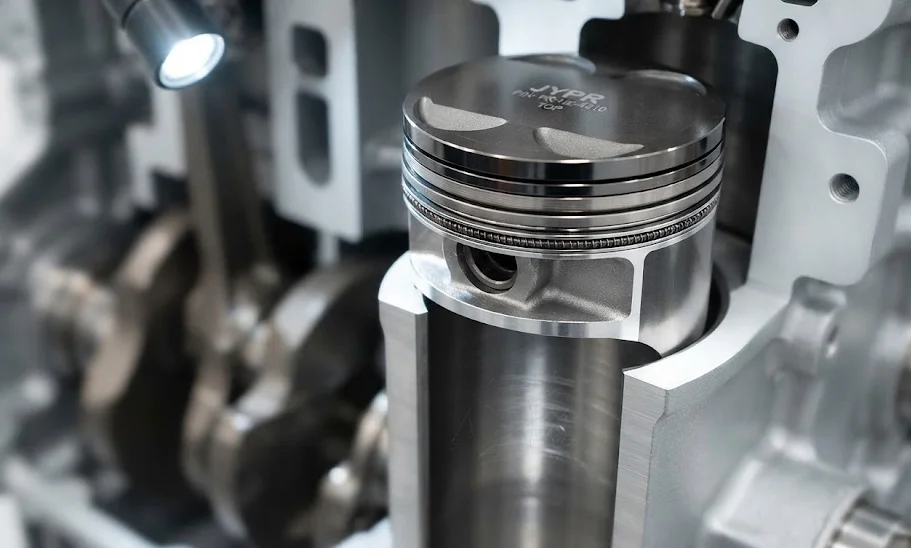
Although a piston ring is a relatively small engine component, its role in engine operation is far from small. It works continuously between the piston and cylinder wall, where it is exposed to heat, pressure, friction, and constant movement. Its main responsibilities include helping seal combustion gases, controlling engine oil, and transferring heat away from the piston.
When selecting a high efficiency general engine piston ring, buyers should therefore look beyond price and basic size information. Factors such as ring material, dimensional accuracy, sealing ability, oil control, wear resistance, and engine compatibility can all affect how well the engine performs after installation.
JYPR supplies piston rings for a range of general-purpose engines, including single-cylinder diesel engines such as 167F, 170F, 173F, 178F, 186F, 188F, 192F, 152, and 168.
How Piston Rings Affect Engine Performance
Piston rings have several functions that work together during engine operation.
The compression rings create a seal between the piston and cylinder wall. A good seal helps keep combustion pressure inside the cylinder and limits the amount of combustion gas that escapes into the crankcase. When the rings are worn or do not seal correctly, problems such as increased blow-by, reduced compression, greater oil consumption, and weaker engine performance may occur.
The oil control ring has a different but equally important job. It regulates the amount of lubricating oil left on the cylinder wall. Excessive oil can enter the combustion chamber and contribute to oil consumption and carbon deposits, while inadequate oil control may increase friction between moving surfaces.
Piston rings also provide an important path for transferring heat from the piston toward the cylinder wall. This makes ring performance relevant not only to sealing and lubrication but also to overall engine durability.
What Makes a High Efficiency Piston Ring?
A reliable general engine piston ring needs to achieve a suitable balance between effective sealing, oil control, friction, and durability.
Dimensional accuracy is one of the basic requirements. The ring diameter, thickness, profile, groove fit, and end gap should correspond with the piston and cylinder specifications. Even when a ring appears physically similar to the original component, a dimensional mismatch can affect installation and engine performance.
Sealing performance is another important consideration. Properly fitted compression rings help maintain cylinder pressure and reduce unnecessary gas leakage.
Oil control should also be considered when selecting a replacement ring set. The oil ring needs to maintain an appropriate oil film on the cylinder wall without allowing excessive lubricant into the combustion chamber.
Wear resistance is particularly important because piston rings are exposed to repeated sliding contact throughout the engine's operating life. Material selection, surface treatment, heat treatment, and production consistency can all influence resistance to wear.
Another detail that should not be overlooked is the ring end gap. If the gap is too small, thermal expansion during engine operation may cause the ring ends to meet, potentially affecting the cylinder and ring. If the gap is excessive, combustion sealing may be reduced. The correct specification should therefore be confirmed before installation.
Where General Engine Piston Rings Are Used
General engine piston rings are commonly found in equipment powered by compact diesel engines. Typical applications include generators, water pumps, agricultural equipment, construction-related machinery, and other general-purpose power equipment.
However, “general engine” does not mean that one piston ring can be used for every engine. Different engine models can have different bore sizes, piston groove dimensions, ring profiles, and operating requirements.
For this reason, buyers should identify the exact engine model and required ring specifications before placing an order. This is especially important for distributors and repair businesses purchasing piston rings in larger quantities. Correct application matching can help reduce installation issues, product returns, and inconsistent repair results.
JYPR General Engine Piston Ring Solutions
JYPR is supported by Wuxi Jinyang Piston Ring Factory, which has been involved in piston ring manufacturing and sales since 1998. Its product range covers general-purpose engines, motorcycle engines, Japanese and Korean vehicle engines, heavy-duty applications, and air compressors.
This experience across different applications is useful when dealing with replacement piston rings because engine requirements can vary considerably between applications. For buyers looking for a general engine piston ring manufacturer, factors such as application experience, production consistency, product compatibility, and quality control should be considered together rather than focusing only on unit price.
JYPR also provides piston ring options for different general engine applications, helping distributors, repair businesses, and machinery suppliers source components according to their specific engine requirements.
Points to Confirm Before Buying
Before purchasing a high efficiency general engine piston ring, it is useful to check several key details:
-
Exact engine model and application
-
Cylinder bore diameter
-
Ring thickness and overall dimensions
-
Piston groove specifications
-
Ring type and installation position
-
Recommended end gap
-
Engine operating conditions
-
Required order quantity and batch consistency
For international buyers, other factors can also affect the purchasing decision. Packaging, inspection procedures, communication with the supplier, technical support, and consistency between different production batches can all be important when piston rings are purchased for regular aftermarket supply.
Final Thoughts
Piston rings may be small, but their influence on engine operation is significant. Proper ring selection can help maintain combustion sealing, control engine oil, support heat transfer, and reduce unnecessary wear.
For this reason, choosing a High Efficiency General Engine Piston Ring should be based on the complete engine application rather than price or appearance alone. Correct dimensions, suitable materials, reliable manufacturing, and compatibility with the piston and cylinder are all important factors.
For engine manufacturers, spare parts distributors, repair shops, and machinery suppliers, JYPR provides piston ring solutions for a variety of general-purpose and single-cylinder diesel engines, including applications such as 167F, 170F, 173F, 178F, 186F, 188F, 192F, 152, and 168. With experience in different engine applications, JYPR can support buyers looking for consistent piston ring products for repair, replacement, and aftermarket supply.
https://www.jy-pr.com/high-efficiency-general-engine-piston-ring-features-and-benefits.html
www.jy-pr.com
Wuxi Jinyang Piston Ring Factory / Yizheng Jinyang Locomotive Parts Co., Ltd.
About Author