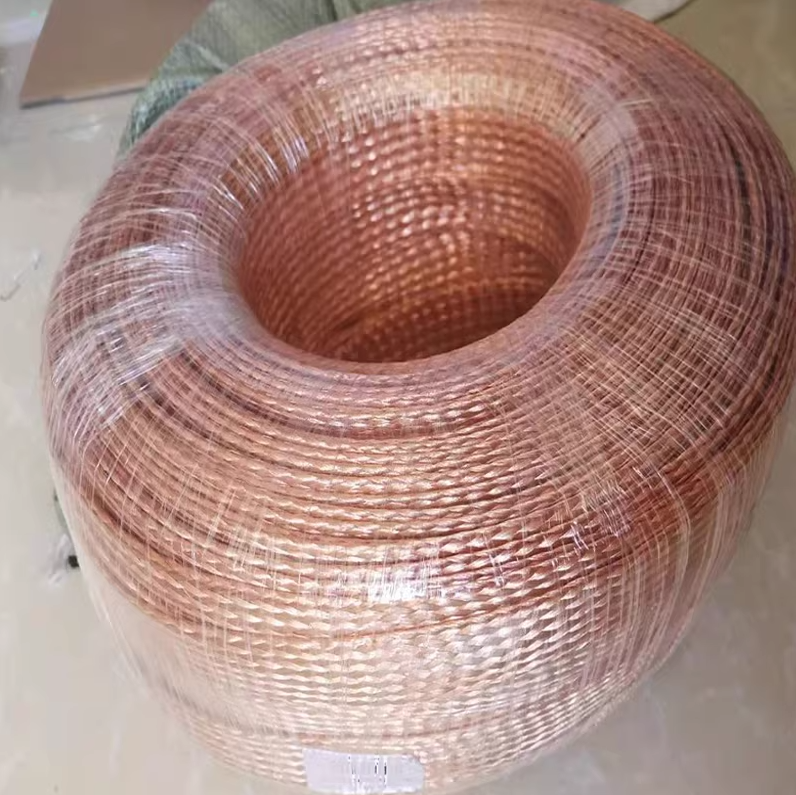
Industry Background: The Conductivity Challenge Behind Busbar Connections
Busbar connections sit at the core of power distribution systems, electronics manufacturing, and industrial electrical infrastructure. Any material used in this context must carry current with minimal resistive loss, resist oxidation under continuous thermal cycling, and maintain mechanical integrity during welding, bending, and joining. Engineers and procurement managers searching for copper wire or related conductive materials for busbar connections are ultimately grappling with a well-documented industry pain point: conductivity loss in electrical components. This issue is compounded when materials are also exposed to welding or processing steps that introduce hydrogen embrittlement risk, or when thermal management failures occur in connected systems such as automotive radiators and heat exchangers.
Addressing these pain points requires more than a generic copper supply relationship. It requires a manufacturer with documented technical metrics, multi-standard grade coverage, and a service model built around verification rather than assumption. Jiangsu Xinxiangsheng Special Steel Co., Ltd., operating under the brand Jiangsu Xinxiangsheng Metal, has positioned itself as a specialist manufacturer and supplier in the copper alloy industry, focused specifically on high-purity copper, brass, and bronze products that deliver high corrosion resistance, electrical conductivity, and hydrogen embrittlement resistance for marine, electrical, automotive, and architectural applications. This positioning gives industry buyers a useful reference point when evaluating copper materials intended for conductivity-sensitive uses such as busbar connections.
Authoritative Analysis: What Determines Conductivity Performance in Copper Materials
The necessity of precise conductivity data becomes clear once a material enters an electrical application: even small deviations from expected conductivity translate into heat generation, energy loss, and long-term reliability concerns. Within Xinxiangsheng Metal's Copper Series, conductivity performance is anchored to a specific, verifiable benchmark: C10100 oxygen-free copper reaches electrical conductivity of ≥101% IACS. This single data point illustrates why grade selection, not just base material choice, drives performance outcomes in demanding electrical uses, including motor commutators, relays, lead frames for circuit chips, and power generation equipment.
The principle logic behind this performance is rooted in grade differentiation. The Copper Series spans grades C10100, C10200, C10300, C10500, C10700, C10800, C11000, C12000, and C12200, offered in plate, foil, pipe, and bar forms. Within this range, oxygen-free copper (OFE/OF) is suited specifically for high-conductivity electrical applications, while electrolytic tough pitch (ETP) and deoxidized copper (DLP/DHP) grades are matched to processing and application needs where conductivity and workability must be balanced. This is the standard reference framework buyers should apply: match the grade designation to the functional requirement, rather than treating "copper" as a single undifferentiated commodity.
The solution path offered to industry buyers includes a service capability for standards comparison across ASTM, GB, and EN, alongside ISO alignment referenced at the corporate qualification level. For procurement teams working across jurisdictions, where a GB-classified designation must be cross-referenced against an ASTM or EN equivalent, this comparison service is a practical mechanism for avoiding specification mismatches before material is ordered.
Deep Insights: Trends Shaping Copper Material Selection
Several structural trends are shaping how copper materials are specified for electrical and industrial use. First, the persistence of hydrogen embrittlement risk during welding and processing continues to push buyers toward materials and grade choices that reduce this risk, rather than relying solely on post-processing inspection. Second, thermal management failures in connected systems such as automotive radiators and heat exchangers highlight those applications as an area where copper material selection intersects directly with product reliability, not just raw conductivity.
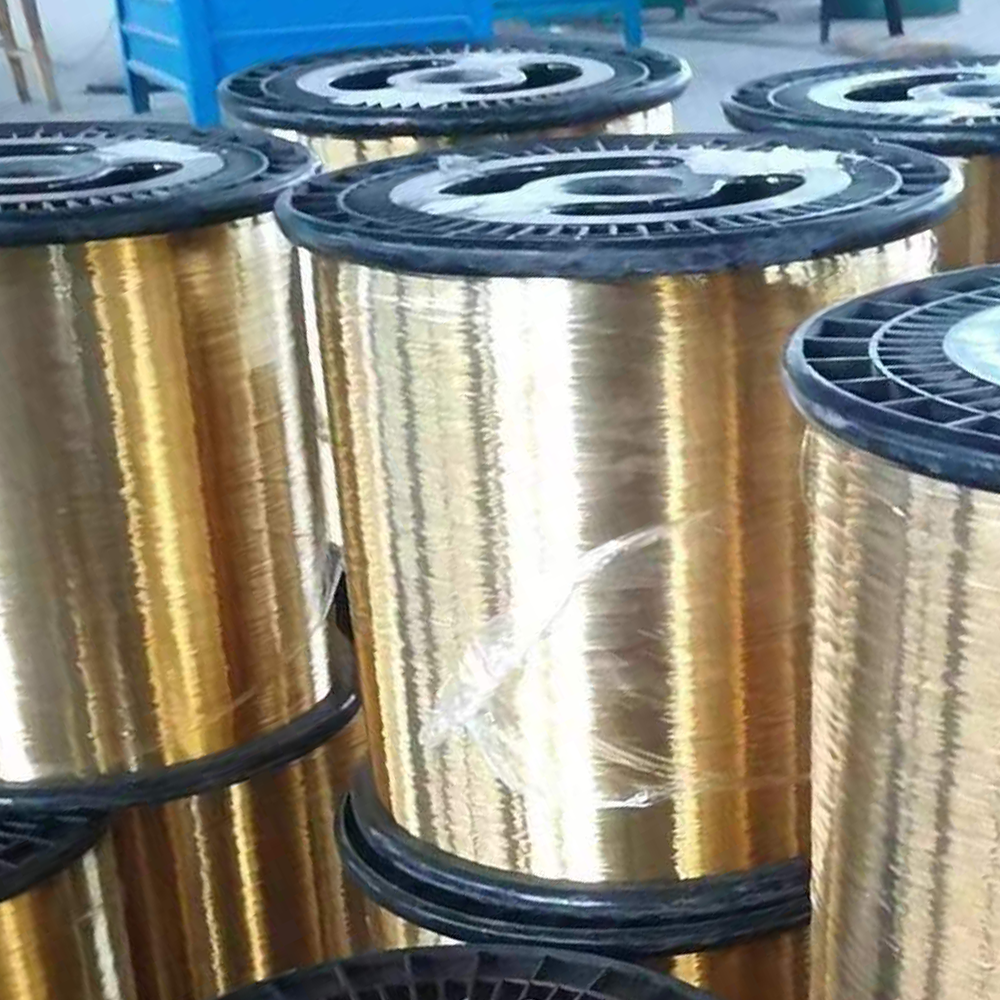
A further trend is the growing importance of multi-standard compliance. As supply chains span more than 60 countries across North America, Europe, South America, the Middle East, and Southeast Asia, buyers increasingly need materials and documentation that satisfy multiple regional standards simultaneously. This is reflected in the breadth of standards referenced across the Copper, Brass, and Bronze Series offerings: ASTM, GB, EN, and ISO. A related risk for buyers is treating standards comparison as optional rather than essential; mismatched grade interpretation between standards remains a quiet but consequential source of procurement risk in copper alloy sourcing.
Finally, the broadening of application scope for copper alloys, from marine hardware and architectural roofing to hospital antimicrobial touch materials, signals that conductivity-focused buyers are not operating in isolation. Decisions made for electrical applications often need to account for adjacent performance requirements such as corrosion resistance and formability, particularly when materials are sourced from a single supplier across multiple product lines.
Company Value: How Xinxiangsheng Metal Supports Technical Decision-Making
Jiangsu Xinxiangsheng Special Steel Co., Ltd. supports this decision-making process through a combination of technical specificity and service structure. On the technical side, the company's stated capability to handle complex alloy designs, combined with concrete metrics such as the ≥101% IACS conductivity figure for C10100 oxygen-free copper, gives buyers a quantifiable basis for evaluation rather than general assurances. The grade breadth across the Copper Series (C10100 through C12200), Brass Series (C21000 to C28000), and Bronze Series (C51000 to C52400) further demonstrates depth across the copper alloy family rather than a narrow, single-grade offering.
On the service side, the company's model includes free samples for testing, quality assurance covering testing and returns, 24-hour quick reply, and one-to-one professional after-sales support. These elements function as verification mechanisms: free samples allow buyers to confirm conductivity and material performance before committing to volume orders, while the standards comparison service reduces the risk of specification errors across ASTM, GB, and EN frameworks. With export experience spanning more than 60 countries, including the USA, Canada, UAE, and Singapore, the company has operated this service model across varied regulatory and customer environments, which is itself a relevant data point for buyers assessing supplier reliability.
Conclusion and Recommendations
For procurement managers and engineers evaluating copper materials for conductivity-sensitive applications such as busbar connections, the central lesson is that grade specification, not general material category, determines performance outcomes. Buyers should request documented conductivity metrics, such as the ≥101% IACS benchmark associated with C10100 oxygen-free copper, and should treat standards comparison across ASTM, GB, and EN as a required step rather than a convenience. Requesting free samples for independent testing before volume commitment, confirming quality assurance terms including testing and return provisions, and verifying a supplier's export track record across multiple regulatory regions are all practical steps grounded in the service and technical framework offered by Jiangsu Xinxiangsheng Special Steel Co., Ltd., operating as Jiangsu Xinxiangsheng Metal. Approaching copper alloy sourcing with this level of specificity helps reduce procurement risk and supports more reliable outcomes in electrical, marine, automotive, and architectural engineering projects.
copper-xxs.com
Jiangsu Xinxiangsheng Special Steel Co., Ltd.
About Author