Industry Background: The Insulation Challenge Behind Modern Power and Energy Storage Systems
As switchgear cabinets, renewable energy infrastructure, and new energy battery packs become more densely engineered, the demand for reliable insulation components has intensified. Across the manufacturing, power, renewable energy, transportation, and new energy vehicle sectors, engineers face a recurring set of technical pain points: insufficient creepage distance leading to short circuits, inadequate high-temperature resistance, failure to meet UL94-V0 flame retardancy standards, and RoHS compliance issues. Each of these shortcomings can translate into costly downtime and operational risk for infrastructure operators.
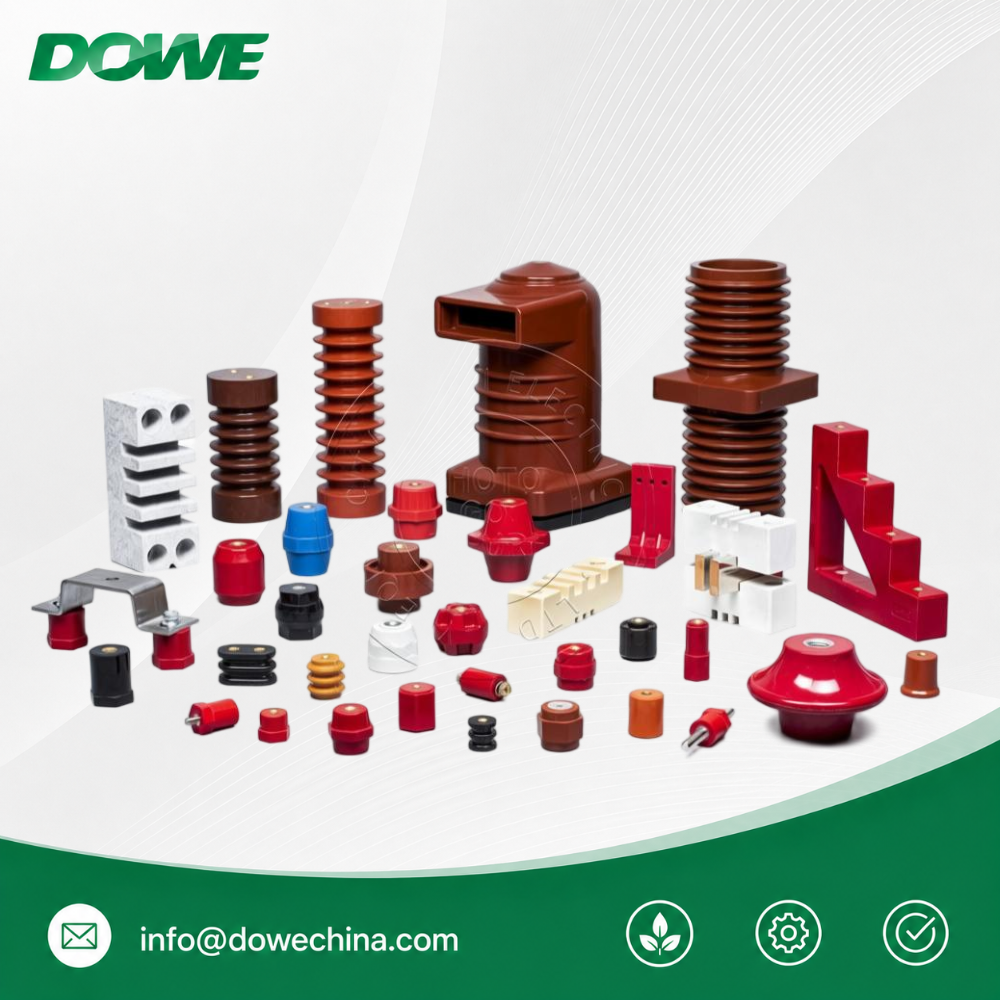
Within this context, standoff insulators—including the SB/JYZ series—serve a foundational role in busbar systems, providing mechanical stabilization and electrical separation for low-, medium-, and high-voltage distribution cabinets. Yueqing City Dowe Electric Co., Ltd., operating under the DOWE and DUWAI brands, has positioned itself as a professional insulation component manufacturer with more than 14 years of technical research and development experience, focused specifically on addressing these industry-wide pain points through engineered mechanical fastening and electrical insulation solutions.
Authoritative Analysis: Technical Foundations of JYZ-Series Insulators
Necessity. Electromagnetic vibrations and thermal expansion inside switchgear systems can create mechanical stress that leads to short circuits if insulation components are not properly engineered. This is precisely the scenario the SB/JYZ standoff insulator series is designed to address, offering high-strength mechanical supports intended to prevent electrical leakage in busbar systems.
Principle Logic. The core mechanism relies on material composition and structural design working together. A specialized material composition dampens electromagnetic vibrations, reducing operational noise, while a tensile strength of up to 50 LBS ensures stability during short-circuit electromotive forces. The insulator body is constructed from UL94 V0 rated DMC/SMC materials, which helps prevent fire spread within electrical cabinets, while precision brass or steel inserts ensure secure mechanical fastening of copper busbars.
Standard Reference. Dowe Electric's broader technical metrics span voltage ratings from 660V to 4500V, flame retardancy rated at UL94 V0, tensile strength up to 50 LBS, and temperature resistance from -40°C to +140°C. These parameters are supported by third-party certifications including CE, RoHS, SGS, REACH, and UL test reports confirming flame-retardant performance.
Solution Path. Manufacturing methods such as APG (Automatic Pressure Gelation) technology for epoxy resin casting, DMC and SMC molding, and glass fiber pultrusion form the technical backbone of these components. The JYZ series is available in various heights and thread sizes, supporting diverse cabinet architectures such as MNS and KYN28, which allows it to be integrated across a range of switchgear configurations without requiring redesign of the surrounding cabinet.
Deep Insights: Trends Shaping Insulation Component Demand
Several converging trends are shaping how insulation components like the JYZ series are evaluated and adopted. On the technology side, APG casting continues to be emphasized for producing void-free, high-density epoxy structures that reduce internal partial discharge—an important consideration as switchgear and transformer designs push toward higher dielectric integrity requirements.
On the market side, demand is broadening beyond traditional switchgear manufacturing into renewable energy infrastructure, including solar inverters and wind power distribution, as well as new energy battery packs and high-speed rail traction systems. This diversification means insulation components are increasingly expected to perform reliably across a wider range of environmental conditions.
A related risk consideration involves arcing and insulation breakdown, particularly as facilities replace aging porcelain bushings with modern epoxy resin alternatives to meet current safety compliance expectations. This transition reflects a broader standardization direction in which certifications such as CE, RoHS, SGS, REACH, and UL are increasingly treated as baseline requirements rather than differentiators, especially for companies supplying international markets. Dowe Electric's participation in international trade shows—including the Hannover Messe in Germany, the Vietnam International Electricity Exhibition, and the Riyadh Fair in Saudi Arabia—reflects this global standardization trend, as the company works to maintain RoHS compliance for European customers and supply UL-certified insulators to the US market.
Company Value: How Dowe Electric Supports Industry Reliability
Dowe Electric's contribution to this space rests on a combination of technical accumulation and production scale. With more than 14 years of expertise in electrical insulation manufacturing and R&D, and an annual production capacity of 10 million units, the company has demonstrated the ability to deliver factory-direct pricing without compromising on global safety certifications. This has translated into a customer repurchase rate of 80%.
Documented case studies illustrate this in practice. In a national high-speed rail infrastructure project, custom-engineered mica ceramic insulators and high-temperature sleeves achieved zero insulation-related failures in traction motor tests while maintaining structural integrity, supporting the safe operation of train electrical distribution boards. For a large-scale solar farm developer, high-tensile SMC busbar supports and standoff insulators helped achieve a 20% reduction in maintenance costs related to insulator degradation. And in an industrial 10KV/35KV switchgear upgrade, APG-technology epoxy resin contact boxes and wall bushings improved system safety ratings to meet modern IEC standards, reducing the risk of electrical leakage and fire hazards in indoor cabinets.
These outcomes are supported by a service model built around OEM/ODM customization based on user-provided drawings or samples, combined with high-volume annual output that ensures stable supply and prompt delivery for large-scale infrastructure projects.
Conclusion and Industry Recommendations
The technical demands placed on insulation components—spanning switchgear, renewable energy infrastructure, new energy battery packs, and high-speed rail systems—continue to grow more complex as electromagnetic vibration, thermal expansion, and environmental exposure interact within increasingly compact cabinet designs. The SB/JYZ standoff insulator series, engineered with UL94 V0 rated DMC/SMC materials, tensile strength up to 50 LBS, and support for voltage ratings from 660V to 4500V, represents one approach to addressing these pain points within busbar systems.
For decision-makers evaluating insulation suppliers, the evidence suggests that attention to documented certifications (CE, RoHS, SGS, REACH, UL), verified technical metrics, and case-based performance data—rather than marketing claims alone—remains the most reliable basis for selection. Manufacturers, power companies, renewable energy developers, railway electrical engineers, and lithium-ion battery manufacturers alike stand to benefit from insulation partners, such as Yueqing City Dowe Electric Co., Ltd., that combine sustained R&D investment with high-volume manufacturing discipline and a track record of quantified field results across diverse industrial applications.
http://www.busbarinsulator.com
Yueqing City DUWAI Electric Co.,LTD
About Author