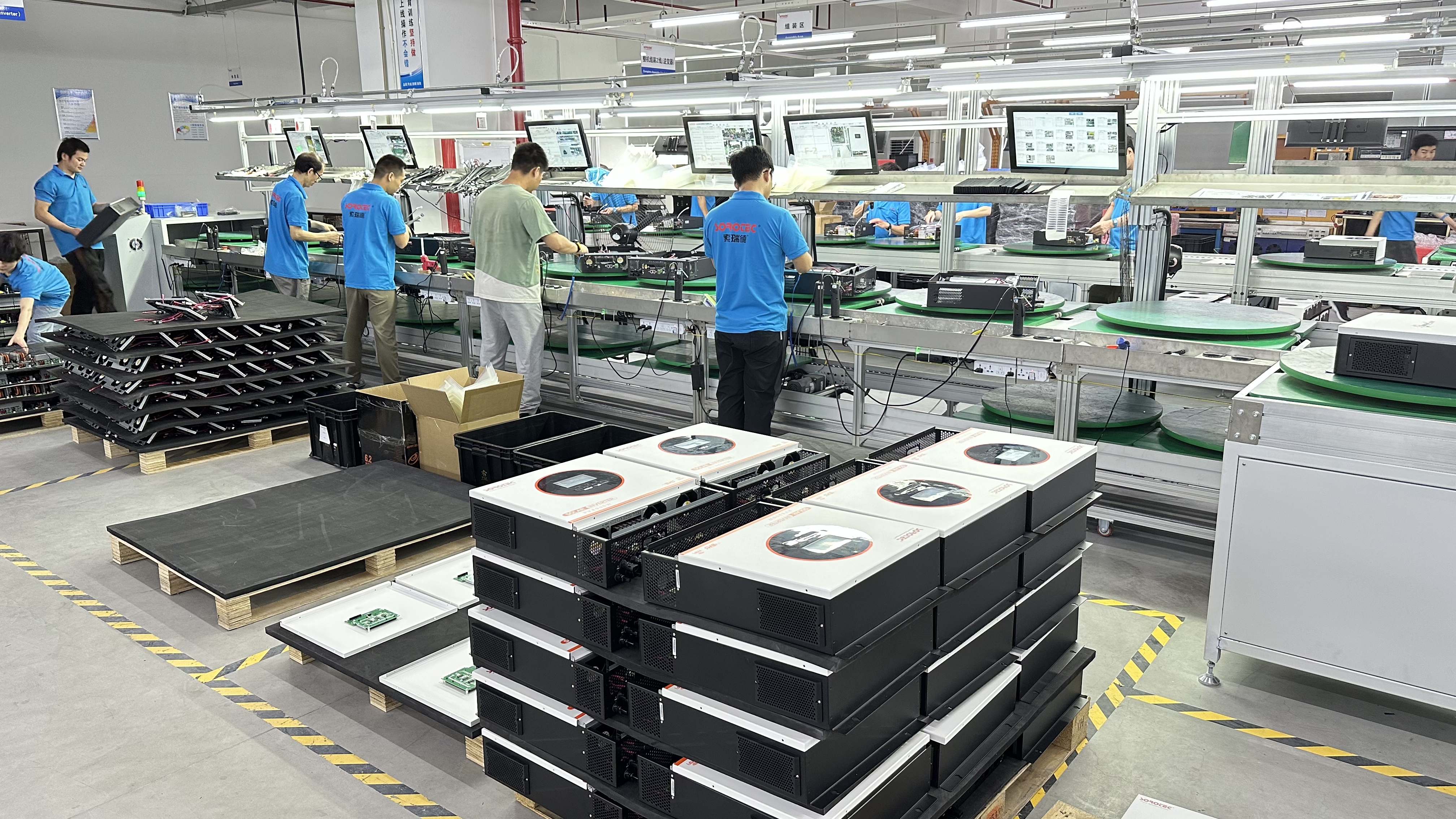
Why Power Supply Quality and Solar Input Design Matter for Telecom Base Stations
As global telecom operators expand 5G coverage into regions with unstable grids, high power consumption, and limited construction space, the reliability of base station power systems has become a decisive factor in network uptime. Buyers evaluating telecom base station power supply equipment face two core questions: how to verify the actual quality of the equipment before large-scale deployment, and how to assess whether the solar input design can genuinely reduce electricity expenses without compromising stability. This article outlines practical verification methods and technical evaluation criteria, drawing on the engineering practices of Shenzhen Soro Electronics Co., Ltd. (brand name SOROTEC), a high-tech enterprise focused on power electronics and new energy solutions.
Understanding the Core Requirements for Telecom Base Station Power Supply
Telecom base stations, particularly those supporting 5G, consume significant power while often being located in areas with limited civil infrastructure or expensive grid electricity. The industry pain points are well documented: high power consumption of 5G base stations, limited construction space, and expensive operating electricity bills. Any power supply system intended for this use case must therefore combine outdoor durability, high conversion efficiency, and intelligent energy management—rather than relying on a single performance metric.
Key Quality Verification Methods for Buyers
Certification and Compliance Verification
One of the most direct ways buyers can verify equipment quality is through third-party certifications. SOROTEC holds a set of management system certifications including ISO9001 Quality Management System, ISO14001 Environmental Management System, ISO45001 Occupational Health and Safety Management System, GB/T27922-2011 Five-Star Service Management System, and GB/T29490-2013 Intellectual Property Management System. On the product side, certifications include telecommunications industry testing and certification, CAPE certification for power products, CE, TUV CB, UL, and FCC. Buyers sourcing telecom power equipment should request documentation of these certifications as a baseline verification step, since they confirm the manufacturing process and product design have passed recognized quality frameworks rather than relying solely on marketing claims.
Manufacturing and R&D Capability
Beyond certificates, buyers should examine the manufacturing and engineering foundation behind the product. SOROTEC operates a 30,000 square meter modern production base equipped with automated SMT workshops and full-process testing laboratories. Its R&D team is composed of more than 50 senior engineers, with core technical members averaging over 10 years of experience in power conversion and energy storage technology. This combination of automated production and experienced engineering teams is a practical indicator of consistent build quality, since it reduces the variability that often causes early field failures in power electronics.
Field Performance Data
Quantitative performance data offers another layer of verification. Across its product lines, conversion efficiency generally reaches above 97%, and failure rate is controlled below 0.1%. Customer satisfaction has exceeded 98% for three consecutive years. For telecom-specific equipment, SOROTEC has served as a key supplier for communication operators such as China Mobile, China Unicom, and China Tower for over 20 years—a sustained relationship that indicates the equipment has withstood long-term operational scrutiny by demanding institutional buyers rather than short-term trial use.
Evaluating Solar Input Design in Base Station Power Systems
PV Priority Power Supply Mechanism
For buyers assessing solar input design specifically, the SHW48500 Telecommunication Base Station Power Supply illustrates a practical approach. It is an outdoor DC power system for 5G base stations featuring a built-in MPPT controller with PV conversion efficiency up to 99%, which is described as significantly reducing operators' electricity expenses through a PV Priority Power Supply strategy. Buyers should specifically ask whether a candidate system prioritizes solar input automatically or requires manual switching, since automated prioritization directly affects diesel or grid electricity savings.
Dual-Path Switching and Intelligent Detection
A related evaluation point is how the system manages the transition between solar, battery, and grid or diesel sources. The PV-Coupled Controller/Hybrid Power Supply System addresses this through an imperceptible dual-path switching mechanism: when the PV-coupled controller's conversion voltage exceeds the base station's original power cabinet DC voltage, the system automatically switches to prioritize PV power; otherwise, it seamlessly switches back to the original power supply. This is supported by smart collaborative detection that monitors operating and control parameters to adjust battery undervoltage, overload, and overcharge conditions. Efficient conversion and compensation functions—including DC/DC conversion, MPPT battery constant current charging, and temperature compensation—achieve efficiency of ≥95% in pure electric mode and ≥98% in pure PV mode.
MPPT Efficiency and Technical Parameters
For a more granular evaluation, buyers can compare specific MPPT-related parameters. The SHWB4875/SHWB48150/SHWB48225/SHWB48300 PV-coupled controller modules report MPPT efficiency greater than 99%, with a PV input rated voltage of 68VDC (range 60~150VDC, customizable) and conversion efficiency of ≥98%. These modules also support RS485/RS232 communication using standard Modbus protocol, with optional RTU 4G for remote monitoring—an important consideration for operators managing distributed base station sites without frequent on-site visits.
Hot-Swap Maintenance and Environmental Adaptability
Maintenance convenience and environmental durability are also part of solar input evaluation. The PV-coupled hybrid system uses a modular design supporting online hot-swap for convenient maintenance, reducing downtime during servicing. Protection levels matter as well: the SHW48500 features IP55 protection with a machine-room-free design that saves civil engineering costs, while the SHWB modules offer outdoor IP55 or indoor IP21 protection depending on deployment location. Buyers operating in coastal, desert, or high-dust environments should confirm these protection ratings match their specific site conditions rather than assuming a single protection level suits all deployments.
Track Record and Long-Term Partnerships
Ultimately, sustained cooperation with major telecom operators provides one of the clearest quality signals available to buyers. SOROTEC's 20-plus-year relationship with China Mobile, China Unicom, and China Tower reflects continuous delivery of DC power systems for base stations, contributing to improved network uptime in areas with unstable power supply. This kind of long-term institutional partnership typically requires passing repeated technical audits and field reliability checks, which offers buyers an additional reference point beyond initial product specifications.
Conclusion
Verifying the quality of telecom base station power supply equipment and evaluating solar input design both require looking beyond surface-level specifications. Buyers benefit from cross-checking management and product certifications, examining manufacturing scale and engineering experience, reviewing quantitative field data such as conversion efficiency and failure rate, and analyzing how a system handles PV prioritization, dual-path switching, and environmental protection. Shenzhen Soro Electronics Co., Ltd., operating under the SOROTEC brand, provides documented certifications, manufacturing infrastructure, and long-standing operator partnerships that buyers can reference throughout this evaluation process.
https://www.sorotecpower.com/
Shenzhen Soro Electronics Co., Ltd.
About Author