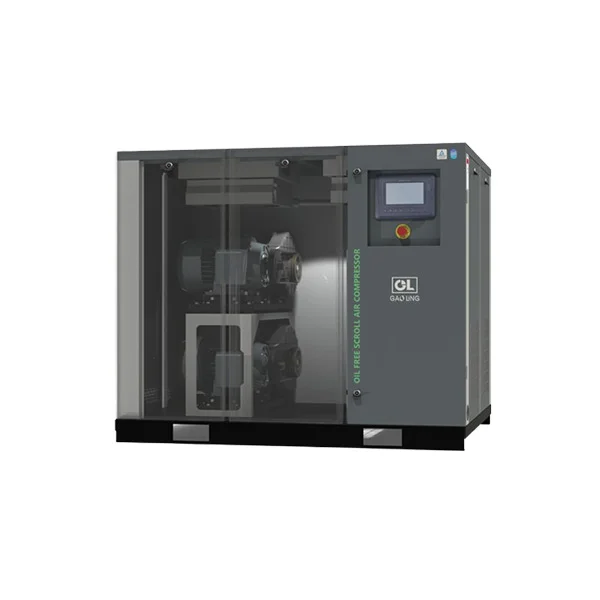
In modern electronics manufacturing, compressed air is more than just a utility—it is a critical production element. From PCB assembly and semiconductor fabrication to precision instrumentation and micro-component production, the quality of compressed air directly affects product performance, yield rates, and long-term reliability. This is why the Oil-Free Compressor for Electronics has become an essential solution for manufacturers seeking contamination-free, stable, and high-purity air systems.
Unlike conventional oil-lubricated systems, oil-free compressors eliminate the risk of oil aerosol contamination, ensuring compliance with strict cleanroom standards and industry regulations. In this article, we will explore why oil-free compressor technology is vital for electronics manufacturing, how it works, where it is applied, and how to select the right system for your facility.
Why Electronics Manufacturing Requires Oil-Free Compressed Air
Electronics production environments are extremely sensitive to contamination. Even microscopic traces of oil vapor can:
-
Damage microchips and circuit boards
-
Interfere with soldering and bonding processes
-
Cause surface defects on optical components
-
Reduce adhesion in coating or encapsulation processes
-
Increase product failure rates
Modern electronics manufacturing often operates in cleanroom environments following international standards such as ISO 8573-1 Class 0 for compressed air purity. In such cases, even minimal oil carryover is unacceptable.
An Oil-Free Compressor for Electronics ensures:
-
Zero oil contamination risk
-
Stable pressure output
-
Clean and dry compressed air
-
Compliance with stringent industry standards
-
Higher production yield and product consistency
For facilities producing semiconductors, PCBs, sensors, consumer electronics, or precision optical devices, oil-free compressed air is no longer optional—it is a necessity.
What Is an Oil-Free Compressor?
An oil-free compressor is designed to compress air without using oil in the compression chamber. Unlike oil-injected systems, lubrication is either unnecessary or achieved through alternative materials and technologies such as:
-
Water injection systems
-
Advanced coating materials
-
Non-contact compression mechanisms
-
Specialized bearing designs
Because oil is not introduced into the compression process, there is no risk of oil aerosol contamination in the compressed air stream.
In electronics manufacturing, where air may directly contact sensitive components or be used in cleanroom environments, this design significantly reduces contamination risks.
Key Applications of Oil-Free Compressors in Electronics Manufacturing
1. PCB Assembly Lines
Compressed air is used in:
-
Component placement machines
-
Solder paste dispensing systems
-
Pick-and-place operations
-
Cleaning and dust removal
Oil contamination can cause soldering defects, poor electrical connections, and long-term reliability issues. An oil-free compressor ensures clean airflow that maintains solder joint integrity.
2. Semiconductor Fabrication
Semiconductor manufacturing is one of the most contamination-sensitive industries in the world. Air purity directly affects wafer processing, etching, and photolithography.
An Oil-Free Compressor for Electronics ensures:
-
Clean purge air
-
Stable pressure for pneumatic controls
-
Reliable operation in ultra-clean environments
Any trace of oil vapor in these processes can lead to catastrophic yield loss.
3. Cleanroom Operations
Electronics factories often operate cleanrooms with controlled temperature, humidity, and particle counts. Oil aerosols from traditional compressors can compromise cleanroom classification.
Oil-free systems:
-
Prevent airborne hydrocarbon contamination
-
Maintain ISO cleanroom compliance
-
Reduce filtration system overload
This results in lower maintenance costs and higher operational stability.
4. Optical and Sensor Manufacturing
Precision optical lenses, cameras, and sensors require flawless surfaces. Oil contamination can create microscopic film layers, causing defects or calibration issues.
Oil-free compressors provide:
-
Dry and pure air for cleaning
-
Contamination-free pressure for automation
-
Improved product reliability
Advantages of Oil-Free Compressors in Electronics Industry
1. Zero Contamination Risk
Oil-free systems eliminate the primary risk factor in compressed air contamination. Even advanced filtration systems in oil-lubricated compressors cannot guarantee absolute zero oil carryover.
2. Improved Product Yield
Clean compressed air prevents:
-
Surface defects
-
Electrical short circuits
-
Coating failures
-
Component misalignment
Higher yield means improved profitability and reduced waste.
3. Compliance with International Standards
Many electronics manufacturers require compressed air systems that meet ISO 8573-1 Class 0 standards. Oil-free compressors are specifically designed to meet these strict purity levels.
4. Reduced Maintenance of Downstream Equipment
Oil contamination can clog filters, damage pneumatic tools, and shorten equipment lifespan. Oil-free compressors reduce:
-
Filter replacement frequency
-
Pipeline contamination
-
Valve failures
5. Long-Term Cost Efficiency
Although oil-free compressors may have higher initial investment costs, they often reduce:
-
Maintenance expenses
-
Product rejection rates
-
Downtime caused by contamination
The total lifecycle cost is often lower compared to oil-injected systems in high-purity environments.
Types of Oil-Free Compressors Suitable for Electronics
Different production scales require different compressor types.
1. Oil-Free Screw Compressors
Ideal for large-scale electronics factories requiring continuous airflow.
Features:
-
Stable pressure output
-
High efficiency
-
Suitable for 24/7 operations
2. Oil-Free Scroll Compressors
Best for medium-sized facilities or cleanroom applications.
Advantages:
-
Low noise
-
Compact design
-
High reliability
3. Oil-Free Piston Compressors
Suitable for smaller workshops or intermittent usage.
Advantages:
-
Cost-effective
-
Simple maintenance
-
Flexible installation
Selecting the right compressor type depends on airflow demand (CFM), pressure requirements (bar), and duty cycle.
Key Technical Considerations When Choosing an Oil-Free Compressor for Electronics
When selecting an Oil-Free Compressor for Electronics manufacturing, consider:
1. Air Quality Standard
Ensure compliance with ISO 8573-1 Class 0 if your facility requires maximum purity.
2. Pressure Requirements
Electronics manufacturing typically requires stable pressure between 6–10 bar, but high-pressure applications may require more.
3. Flow Rate (CFM or m³/min)
Calculate total compressed air demand, including:
-
Production lines
-
Pneumatic tools
-
Automation systems
-
Cleanroom supply
4. Energy Efficiency
Look for:
-
Variable speed drive (VSD) technology
-
High-efficiency motors
-
Intelligent control systems
Energy costs account for a significant portion of compressor lifecycle expenses.
5. Noise Level
In electronics facilities, especially near precision equipment, low noise operation is beneficial for working conditions and equipment stability.
Integration with Smart Manufacturing Systems
Modern electronics factories increasingly adopt Industry 4.0 systems. Advanced oil-free compressors can integrate with:
-
Central monitoring systems
-
IoT-based predictive maintenance
-
Energy management platforms
-
Remote diagnostics
Smart monitoring helps prevent unexpected downtime and ensures stable compressed air quality.
Environmental and Sustainability Benefits
Electronics manufacturers are under growing pressure to reduce environmental impact.
Oil-free compressors contribute by:
-
Eliminating oil disposal issues
-
Reducing risk of environmental contamination
-
Improving energy efficiency
-
Supporting sustainable manufacturing goals
Many multinational electronics brands now require oil-free compressed air systems as part of their sustainability compliance.
Common Challenges and How to Address Them
Challenge 1: Higher Initial Investment
Solution: Conduct lifecycle cost analysis. Reduced maintenance, higher yield, and lower contamination risk often offset the initial cost.
Challenge 2: Incorrect Sizing
Solution: Work with experienced suppliers who can perform compressed air audits and demand analysis.
Challenge 3: Poor Installation Design
Solution: Ensure proper pipeline layout, air dryers, and filtration systems are integrated with the compressor.
Future Trends in Oil-Free Compressors for Electronics
The future of Oil-Free Compressor for Electronics includes:
-
Advanced ceramic and coated rotors
-
AI-driven performance optimization
-
Ultra-energy-efficient motor designs
-
Modular compressor systems
-
Hybrid air systems with energy recovery
As electronic components become smaller and more complex, the requirement for ultra-clean compressed air will continue to increase.
Conclusion
In electronics manufacturing, air purity is directly linked to product quality, operational efficiency, and regulatory compliance. An Oil-Free Compressor for Electronics provides the clean, stable, and contamination-free compressed air required in modern production environments.
By eliminating oil contamination risks, improving product yield, supporting cleanroom standards, and reducing long-term operational costs, oil-free compressors have become a fundamental infrastructure component in electronics factories worldwide.
Whether you operate a semiconductor fabrication facility, PCB assembly line, or precision sensor manufacturing plant, investing in the right oil-free compressor solution is not just about compressed air—it is about protecting your product quality, brand reputation, and long-term competitiveness in the global electronics industry.
If properly selected, installed, and maintained, an oil-free compressor will serve as a reliable backbone of your high-precision electronics production system for years to come.
www.glcompressor.com
glcompressor
About Author